World · Malaysia Bureau
Children bear burden of statelessness despite having no role in creating crisis
Experts and advocates argue that statelessness among children is fundamentally a failure of legal frameworks and political will, not a consequence of individual circumstances. The responsibility for addressing this humanitarian challenge rests with governments and lawmakers who have allowed outdated laws to persist.
LSN Malaysia ·
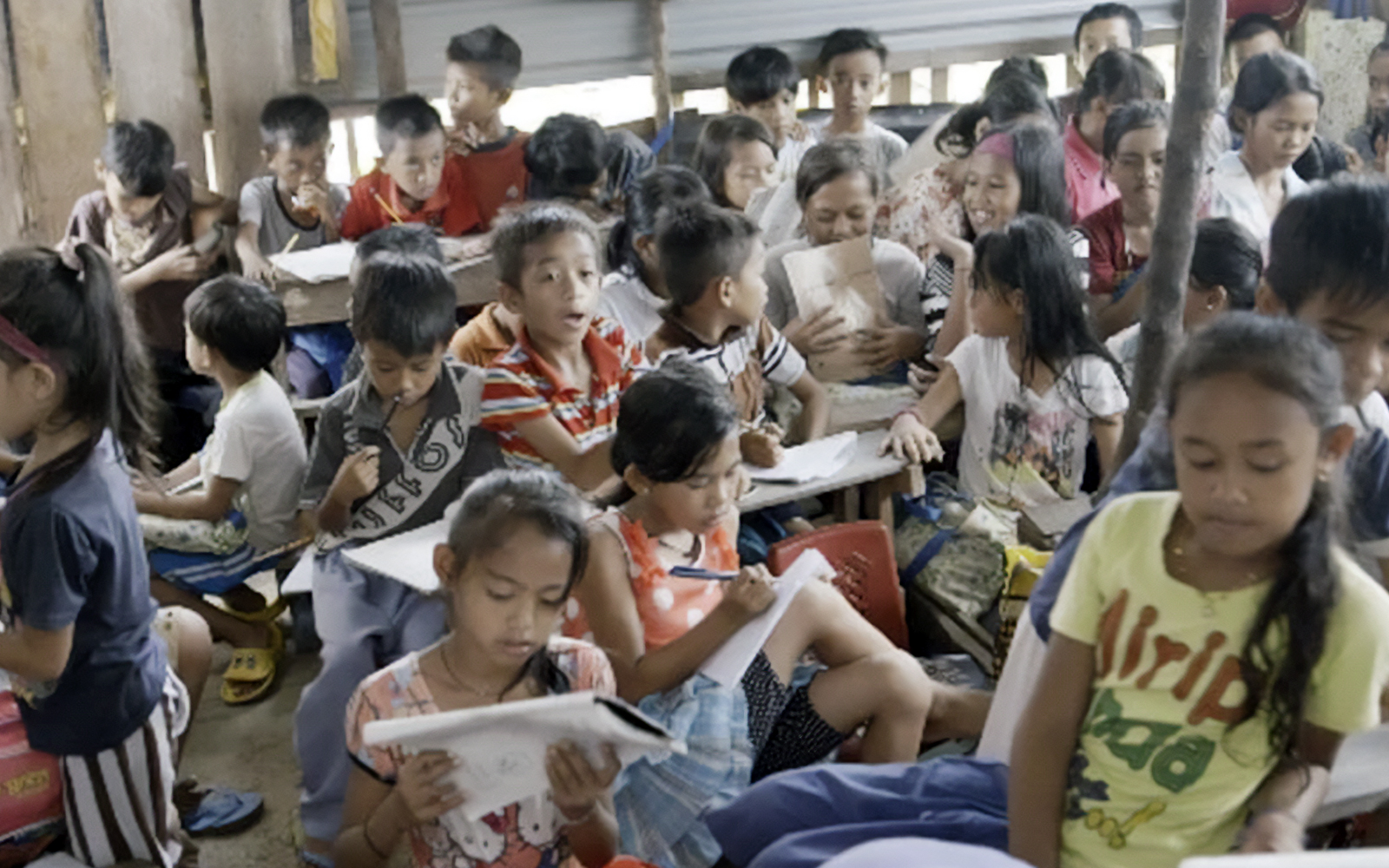
Statelessness affects millions of children across Asia, trapping them in legal limbo without citizenship, access to education, healthcare, or employment opportunities. Yet this crisis stems not from actions taken by the children themselves, but from systemic failures within national legal systems and international cooperation mechanisms that have allowed discriminatory citizenship laws to remain unchanged for decades.
Many stateless children inherit their condition through circumstances entirely beyond their control—born to migrant parents, refugees, or minorities whose citizenship claims are rejected by their countries of origin or residence. Others find themselves stateless due to gaps in legislation, administrative failures, or deliberate legal exclusions rooted in ethnic, religious, or social discrimination.
Government inaction represents the primary obstacle to resolving this crisis. Despite international conventions and guidelines advocating for inclusive citizenship laws, numerous countries have failed to reform statutes that deny birthright citizenship or create insurmountable barriers to naturalization. Political hesitation, bureaucratic delays, and competing policy priorities have left vulnerable populations stranded without legal status.
Advocacy organizations emphasize that solutions exist and are economically feasible, requiring only legislative reform and dedicated implementation. By amending citizenship laws to ensure birthright citizenship and streamlining naturalization procedures, governments can prevent new cases of statelessness while regularizing the status of existing populations. The challenge remains one of political commitment rather than technical capability.
Until policymakers prioritize this issue, stateless children will continue bearing the consequences of adult negligence—denied basic rights and opportunities through no fault of their own.