World · Bangladesh Bureau
Children Born in South Asian Prisons Face Uncertain Futures
Thousands of children across South Asia spend their formative years confined within prison walls after being born to incarcerated mothers. Advocates warn that prolonged institutional life threatens their physical health, emotional development, and access to basic education.
LSN Bangladesh ·
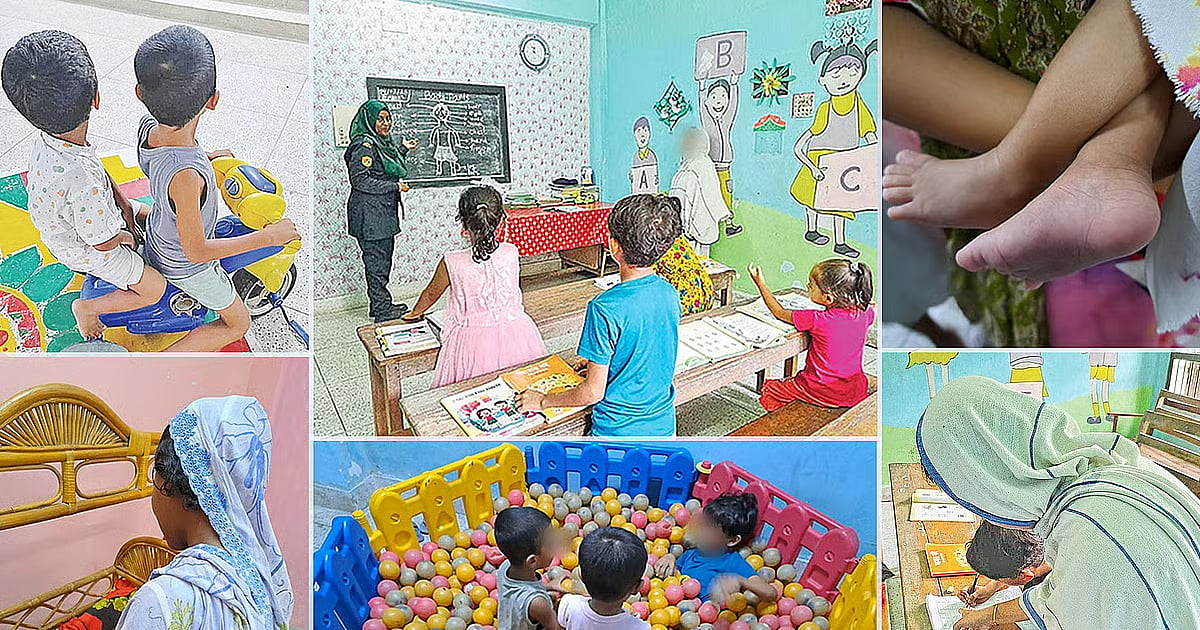
In prisons across South and Southeast Asia, hundreds of infants are born each year to mothers serving sentences, beginning their lives in cells rather than homes. Many countries permit children to remain with imprisoned mothers for extended periods—sometimes until age five or six—creating a generation growing up entirely within correctional facilities.
These children face significant developmental challenges despite the presence of their mothers. Prison environments lack adequate nutrition, healthcare, and educational resources necessary for early childhood development. Overcrowded conditions, limited outdoor space, and exposure to the prison atmosphere create stress that experts say impacts cognitive and emotional growth during critical developmental windows.
When separated from their mothers—either at release or at designated ages—children often transition into orphanages or informal care arrangements, compounding the trauma of institutional upbringing. Many lack birth certificates or official documentation, complicating access to schools and social services later in life.
Child welfare organizations across the region are advocating for policy reforms, including alternatives to incarceration for pregnant women and mothers with dependent children, improved conditions for those who must remain in custody, and comprehensive support systems for children upon separation. Some jurisdictions have begun implementing such measures, though progress remains uneven.