Culture & Entertainment · India Bureau
Children's Day spotlight: Why Gujarat's wealth hasn't improved child outcomes
Despite higher per capita income, Gujarat lags behind national averages in child health, nutrition and education metrics, underscoring persistent disparities in human development across Indian states.
LSN India ·
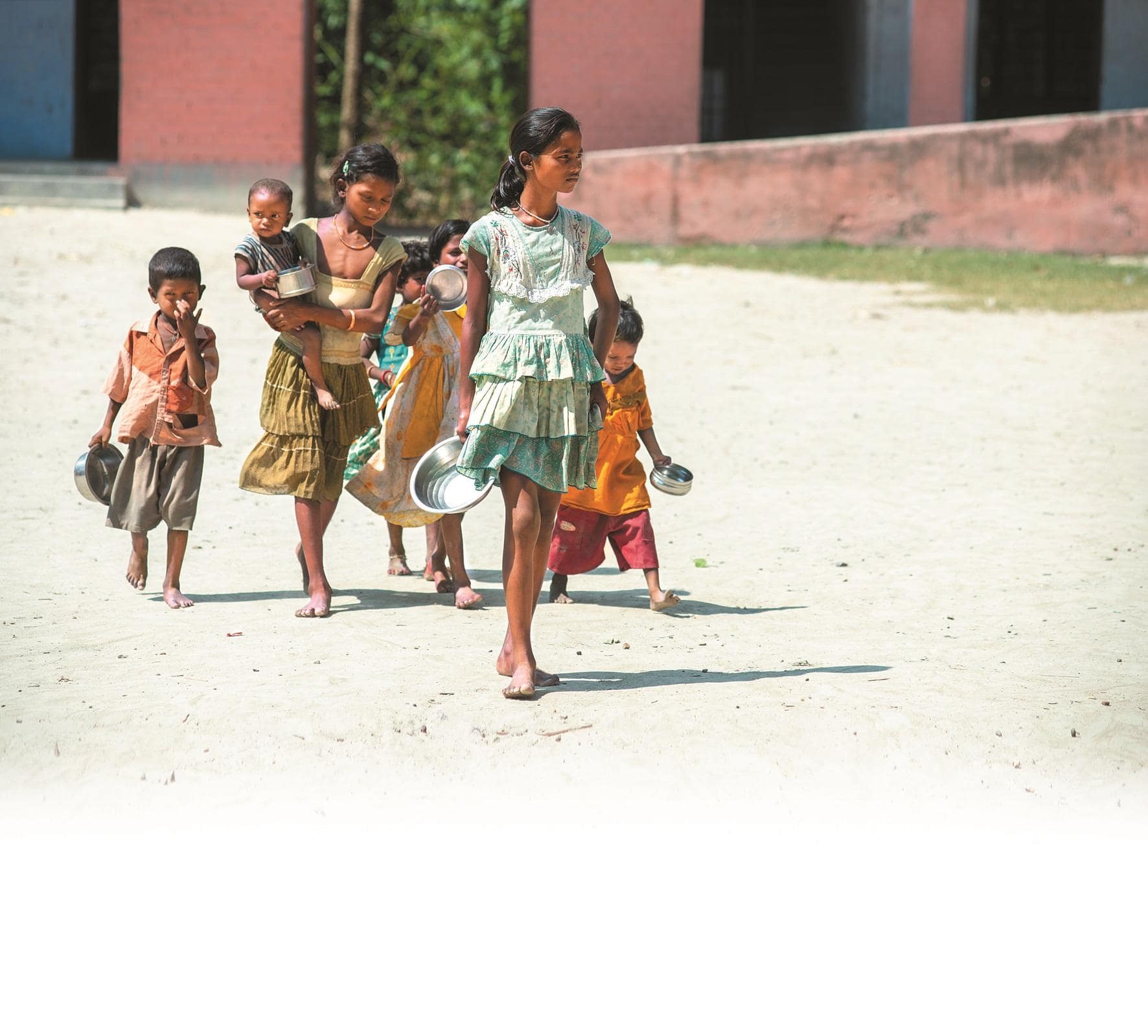
As India marks Children's Day, fresh focus has turned to the longstanding debate between economists on the relationship between state income levels and child welfare outcomes. Analysis reveals a troubling disconnect in Gujarat, one of India's more prosperous states, where economic growth has not translated into proportionate improvements in critical indicators affecting children.
Data examining health, nutrition and educational outcomes shows Gujarat performing below expectations when benchmarked against its per capita income. The state's relative wealth, often cited as evidence of sound economic management, has failed to narrow gaps in child mortality rates, malnutrition prevalence and school quality compared to national averages.
The disparity highlights a broader pattern across Indian states, where income levels alone do not determine child welfare. Experts attribute this gap to varied factors including resource allocation priorities, implementation efficiency and governance structures that differ significantly between states with similar economic resources.
The observations renew attention to the Sen-Bhagwati economic development debate, which examines how growth translates into human capability expansion. The Children's Day analysis suggests that state-level wealth requires complementary policy frameworks focused specifically on child-centric spending and service delivery to achieve meaningful improvements in developmental outcomes.
Advocates for targeted intervention argue that states must prioritize direct investments in healthcare, nutrition programs and education quality to convert economic gains into measurable improvements in child welfare, rather than assuming prosperity automatically benefits vulnerable populations.