World · World News Bureau
China breaks from Mao's legacy in Russia-Japan territorial dispute
Beijing's stance on the disputed Sakhalin islands represents a significant departure from Mao Zedong's historical support for Japan's territorial claims against Russia, reflecting evolving geopolitical alignments in the region.
LSN World News ·
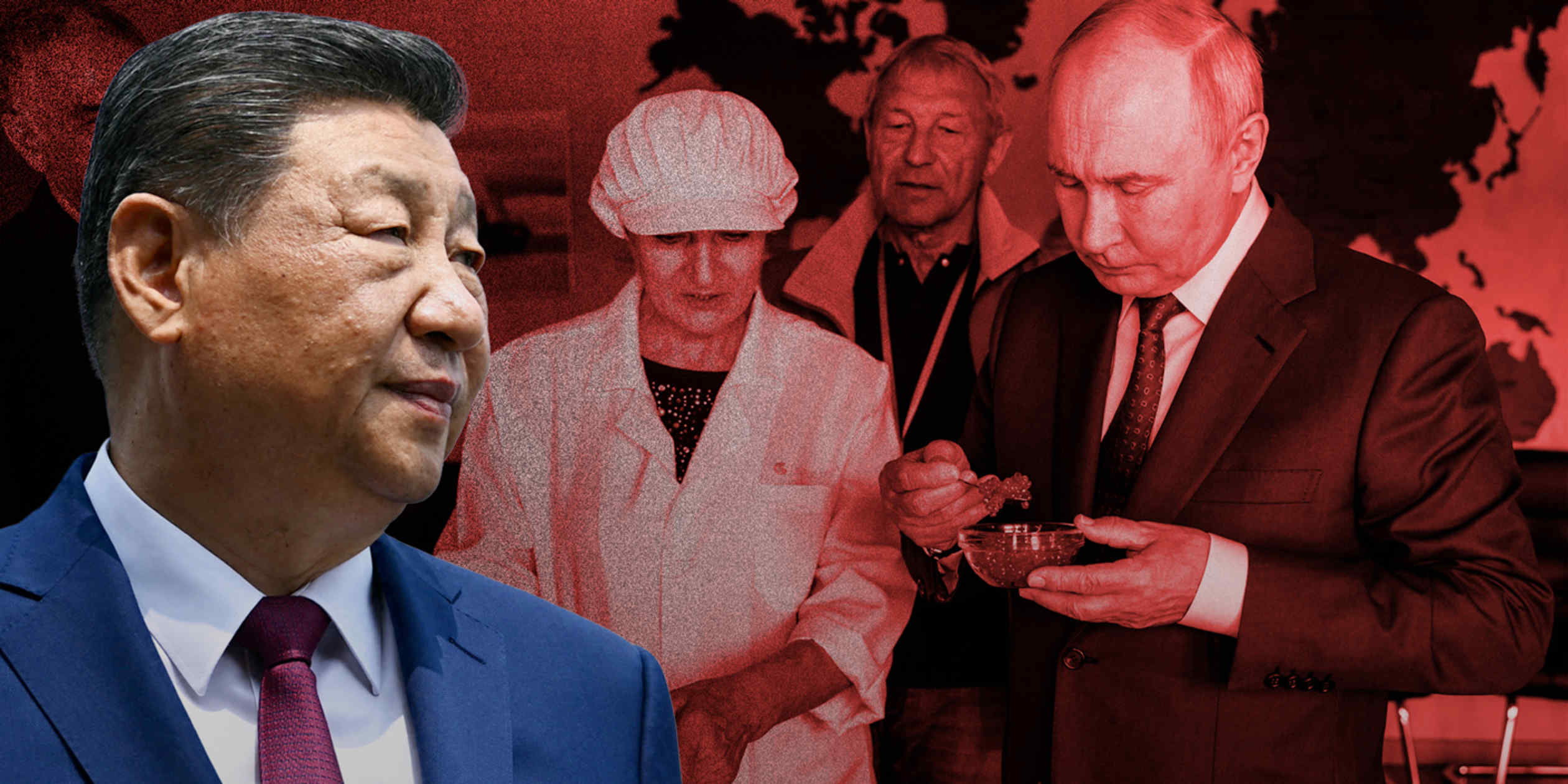
China's current position on Russia's control of territories disputed with Japan marks a notable shift from the approach taken by founding leader Mao Zedong during the Cold War era. Historical records show that Mao had backed Japan's claims to the Sakhalin islands and other territories held by Russia, viewing Soviet dominance in the region as a threat to Asian balance of power.
The contemporary Chinese government has moved away from this strategic alignment, instead maintaining closer relations with Russia as both nations face increased Western pressure and sanctions. This recalibration reflects changing priorities in Beijing's foreign policy, where regional considerations have been superseded by broader geopolitical concerns and the deepening Russia-China partnership.
The shift underscores how China's strategic calculations have evolved significantly since the Maoist era. Where once Beijing saw value in supporting Japan against Soviet expansion, current policy favors maintaining stability with Moscow, even when this contradicts historical positions on territorial disputes in the Far East.
This departure from Mao-era doctrine demonstrates the pragmatic nature of contemporary Chinese diplomacy, which prioritizes immediate strategic interests over historical consistency. The realignment also reflects Japan's own repositioning, as Tokyo has strengthened security ties with the United States and other Western allies rather than pursuing coordinated pressure with China against Russia in territorial disputes.