Business · Singapore Bureau
China clamps down on waste cooking oil trade to boost sustainable aviation fuel
Beijing is implementing digital tracking standards to regulate the used cooking oil market as part of efforts to expand sustainable jet fuel production. The move aims to eliminate irregularities in the supply chain while supporting the country's green aviation ambitions.
LSN Singapore ·
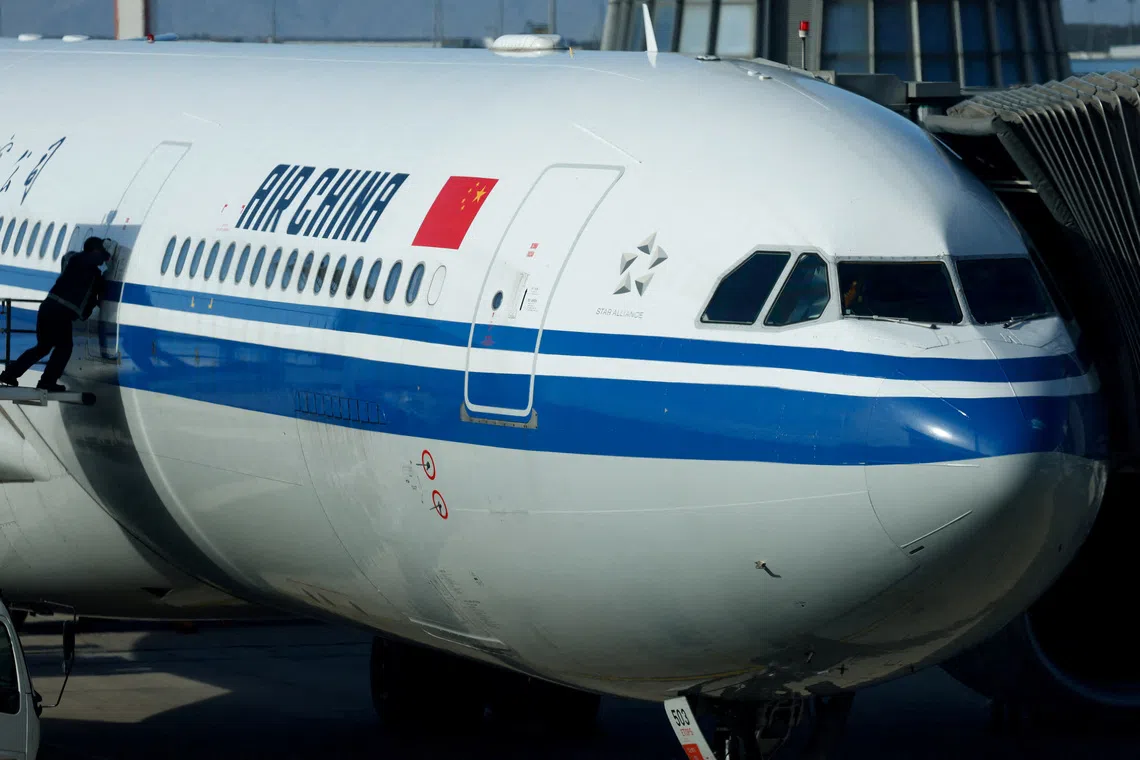
China is tightening oversight of the waste cooking oil industry through proposed digital tracking systems, seeking to eliminate supply chain irregularities that have long plagued the sector. The regulatory push comes as Beijing ramps up production of sustainable aviation fuel (SAF), which can be derived from used cooking oil and other renewable feedstocks.
The digital standards are designed to create transparency across the collection, processing, and distribution of waste cooking oil—a commodity historically prone to fraud and mislabeling. By establishing traceable supply chains, authorities aim to ensure that material destined for SAF production meets quality and sustainability standards.
China's push to secure reliable supplies of waste cooking oil reflects growing demand for sustainable jet fuel as the aviation sector faces pressure to reduce carbon emissions. Airlines globally are increasingly required to blend SAF into conventional jet fuel, creating competition for feedstock materials. Establishing a regulated, transparent market for used cooking oil helps Beijing ensure stable supplies while preventing diversion to illegal or non-compliant uses.
The regulatory framework represents part of broader Chinese efforts to position the country as a leader in sustainable aviation fuel production, while simultaneously addressing longstanding concerns about food safety and environmental contamination linked to unregulated waste oil markets.