Culture & Entertainment · Vietnam Bureau
China converts vacant schools into care facilities as birth rate plummets
Facing a demographic crisis, China is repurposing empty primary schools and kindergartens as nursing homes and elderly care centers as birth rates hit their lowest levels in decades and the aging population surges.
LSN Vietnam ·
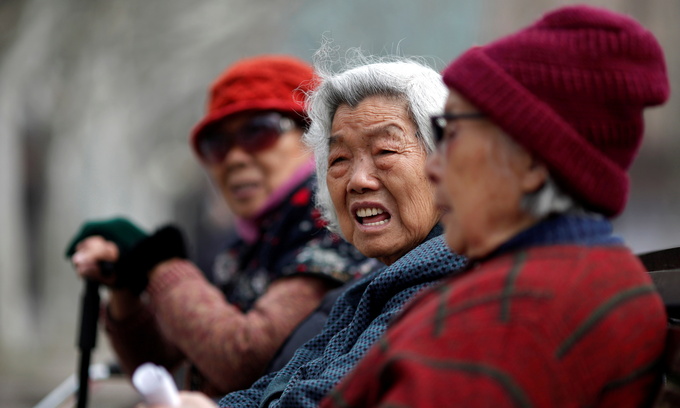
China is grappling with a stark demographic reversal as local authorities increasingly convert shuttered educational facilities into senior care centers and nursing homes across the country. The shift reflects two converging trends: a record-low birth rate leaving classrooms empty and a rapidly aging population straining existing care infrastructure.
The repurposing of schools underscores the severity of China's population challenge. As fewer children are born each year, primary schools and kindergartens in many regions have seen enrollment collapse, leaving substantial physical infrastructure underutilized. Simultaneously, the country's elderly population continues to expand, creating an urgent demand for residential care facilities.
This demographic inversion represents a historic challenge for the world's second-most populous nation. For decades, China's one-child policy constrained birth rates, and even after its relaxation in recent years, fertility levels have continued to decline due to rising costs of education, housing, and childcare, as well as shifting social priorities among younger generations.
The conversion of schools into care homes offers a practical solution to resource allocation pressures, allowing authorities to repurpose existing buildings rather than construct new facilities from scratch. However, the trend also highlights broader structural challenges facing China's healthcare and social welfare systems as the nation confronts an aging society with fewer working-age citizens to support retirees.