World · Malaysia Bureau
China denounces EU Arctic strategy as Cold War-style thinking
Beijing has criticized the European Union's new Arctic security plans, which aim to bolster surveillance capabilities and expand icebreaker operations amid concerns over Chinese strategic expansion in the region.
LSN Malaysia ·
The European Union has unveiled a comprehensive strategy to strengthen its presence and monitoring capabilities in the Arctic, responding to what officials describe as increasing strategic competition in the strategically vital region. The initiative includes plans to enhance surveillance infrastructure and significantly expand the EU's icebreaker fleet, reflecting growing concerns about geopolitical shifts in polar waters.
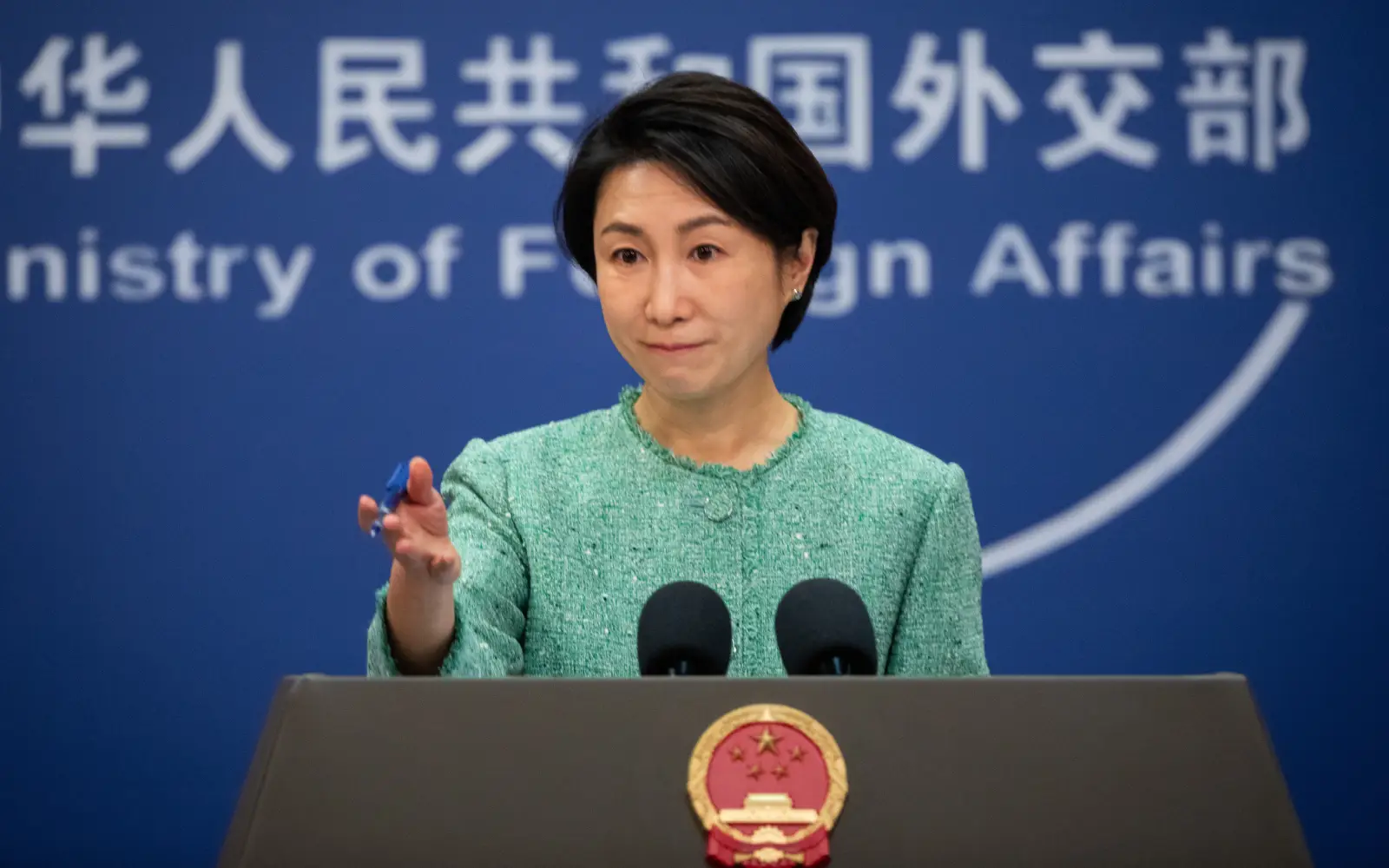
China's Foreign Ministry swiftly condemned the move, characterizing the EU's approach as rooted in Cold War mentality and outdated thinking. Spokesperson Wang Wenbin stated that the strategy reflects discriminatory attitudes and represents an attempt to contain Beijing's legitimate interests in Arctic development and cooperation.
The EU's strategic pivot comes as China has deepened its engagement with Arctic nations and fortified its partnership with Russia, particularly following Western sanctions over the Ukraine conflict. Brussels has grown increasingly wary of Beijing's activities in the region, including infrastructure investments, shipping route development, and resource exploration initiatives that could reshape Arctic geopolitics.
EU officials argue the enhanced Arctic presence is essential for safeguarding European interests, ensuring maritime security, and maintaining strategic autonomy as global power dynamics evolve. The icebreaker expansion is expected to improve the bloc's operational capabilities in one of the world's most strategically important and rapidly changing regions.
The Arctic remains a focal point of international tension, with multiple nations competing for influence, access to resources, and control over emerging shipping routes as climate change accelerates ice melt in polar regions.