Politics · World News Bureau
China deploys advanced data analytics in anti-corruption drive
Beijing is leveraging big data surveillance technologies as part of an expanded campaign against official misconduct. The initiative represents a significant evolution in the Communist Party's enforcement mechanisms.
LSN World News ·
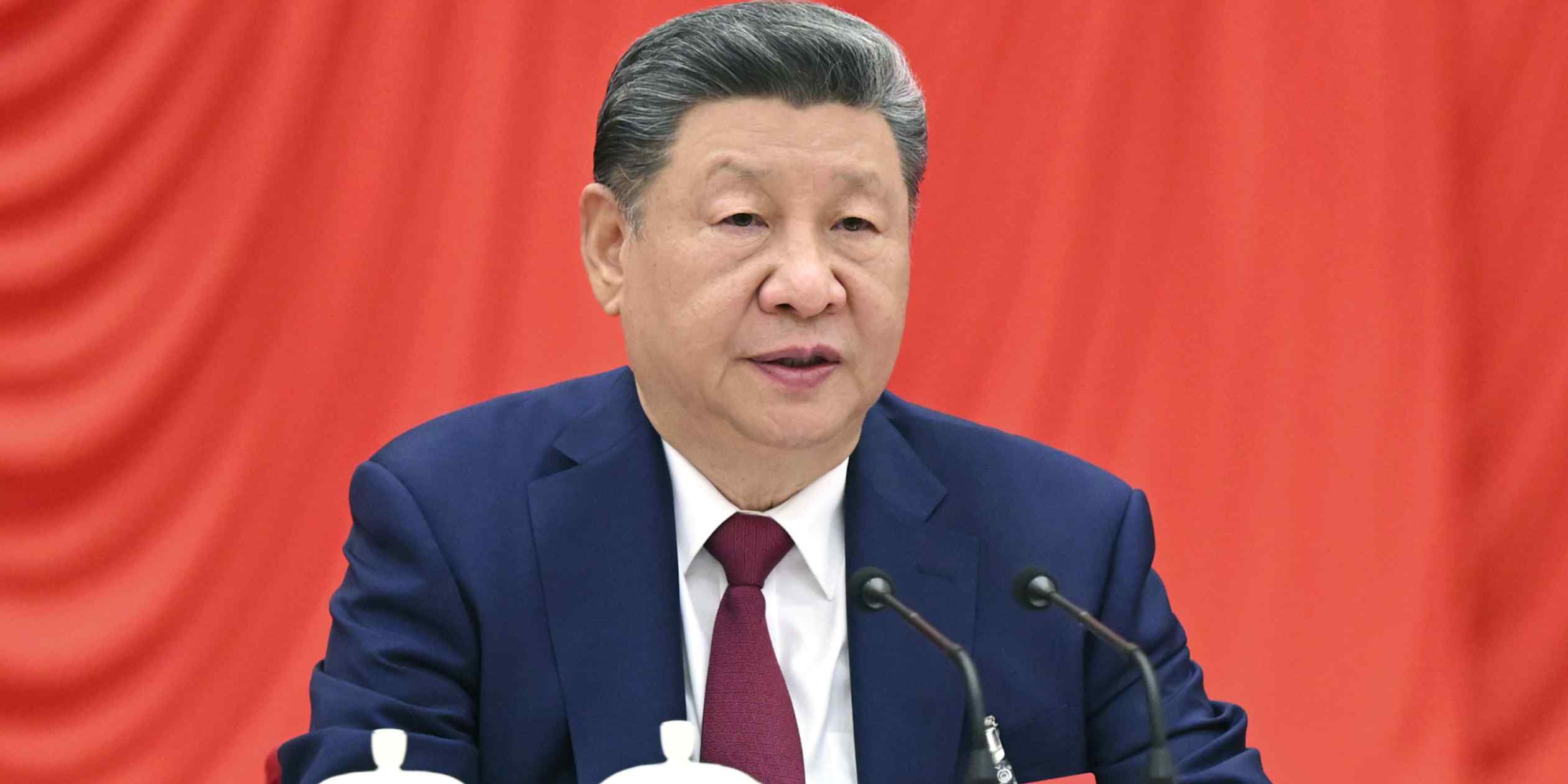
China's anti-corruption apparatus is increasingly turning to sophisticated data analytics and surveillance tools to identify and prosecute officials engaged in graft and abuse of power. The approach combines algorithmic analysis of financial transactions, personnel records, and administrative activities to detect patterns indicative of corrupt behavior across government agencies.
The deployment of these technologies reflects broader efforts by the Chinese Communist Party to modernize its internal oversight systems. By processing vast datasets across provincial and municipal administrations, authorities can flag anomalies—such as unexplained wealth accumulation or irregular procurement patterns—that might escape traditional investigation methods.
This technological enhancement complements existing anti-corruption mechanisms, including Party discipline committees and state prosecution services. Officials have indicated that data-driven approaches enable faster identification of suspect activities while reducing reliance on complaints and reports from the public or whistleblowers.
The initiative underscores Beijing's confidence in surveillance infrastructure developed over the past decade. As the Communist Party continues consolidating control over government institutions, technological tools have become integral to maintaining party discipline and deterring officials from engaging in corrupt practices that might undermine institutional legitimacy.