World · Singapore Bureau
China eases out senior officials through legislative appointments
Beijing is deploying legislative positions as a graceful exit strategy for veteran provincial leaders stepping back from frontline governance. The postings serve as a transitional role before these senior cadres enter formal retirement.
LSN Singapore ·
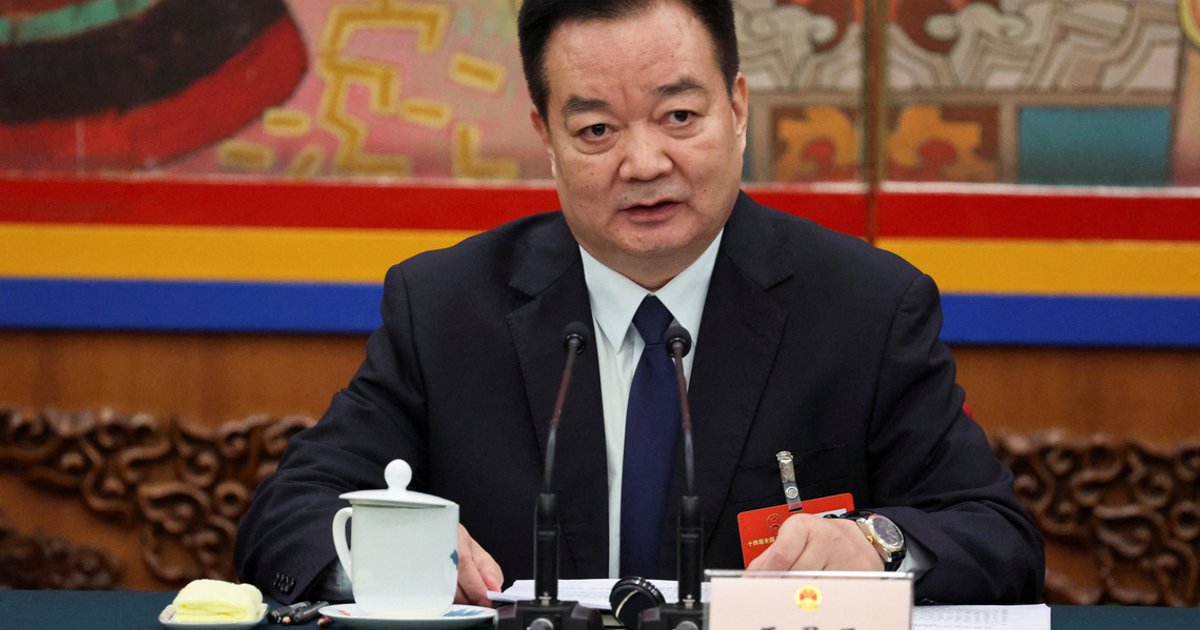
China's political system has long relied on structured career pathways to manage the transition of senior officials toward retirement. In recent years, legislative appointments have emerged as a preferred mechanism for repositioning provincial leaders who have concluded their frontline roles in regional governance.
These legislative positions offer several advantages within China's administrative hierarchy. They provide senior officials with continued influence and prestige while allowing them to gradually withdraw from the intensive demands of executive governance. The roles typically carry less operational responsibility than their previous posts, creating a buffer period between active political management and complete retirement.
Such appointments reflect broader patterns in Chinese governance, where seniority and experience are valued commodities. By transitioning veteran leaders to the National People's Congress or provincial legislatures, the Communist Party maintains continuity while systematizing the succession process. This approach preserves institutional memory and prevents abrupt disruptions in policy implementation.
The practice underscores how Beijing manages elite circulation within its political structures. Rather than abruptly removing experienced officials, the system accommodates their gradual disengagement through posts that acknowledge their standing while reducing their day-to-day operational load. This model has become increasingly standardized as China seeks to balance generational renewal with stability in its governance apparatus.