World · Singapore Bureau
China escalates rhetoric against Japan over Yasukuni Shrine visits
Beijing has adopted increasingly inflammatory language to describe Japan's Yasukuni Shrine, reflecting deteriorating ties between the two nations. The shift underscores deepening tensions over historical grievances and regional disputes.
LSN Singapore ·
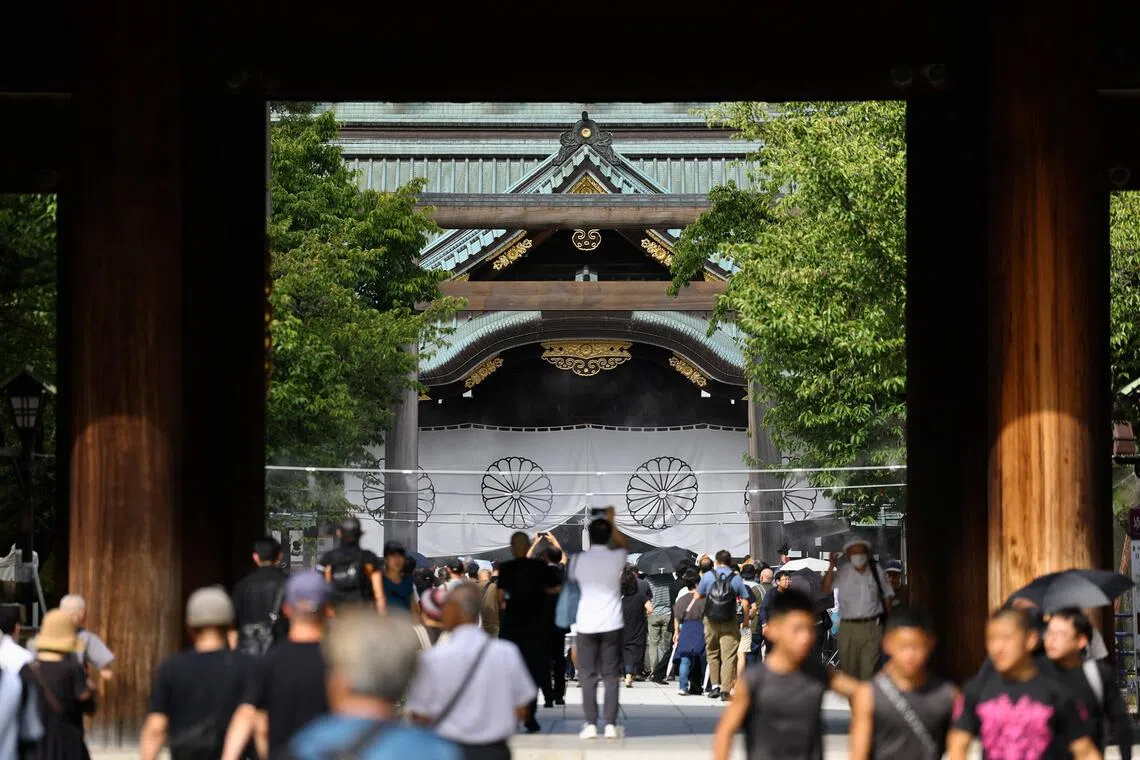
China has intensified its criticism of Japan's Yasukuni Shrine, employing sharper rhetoric that characterises the Tokyo memorial as a shrine to war criminals. The escalation marks a notable hardening of Beijing's diplomatic stance as relations between the neighbouring powers continue to fray.
The shrine, which honours Japan's war dead including convicted war criminals from World War II, has long been a flashpoint in Sino-Japanese relations. Chinese officials and state media have periodically condemned visits by Japanese politicians and leaders to the site, viewing such trips as expressions of nationalist sentiment and insufficient acknowledgement of historical atrocities.
The change in language reflects broader deterioration in bilateral relations, which have been strained by territorial disputes, trade frictions, and competing strategic interests in the region. Beijing's more combative rhetorical approach suggests a hardening position on historical reconciliation issues that remain central to how China views Japan's post-war conduct.
Observers note that the linguistic shift carries symbolic weight in Chinese political discourse, potentially signalling an unwillingness to moderate criticism of what Beijing considers unresolved historical grievances. The dispute remains a persistent obstacle to warming ties between Asia's two largest economies.