World · India Bureau
China faces 15-year gap in advanced chipmaking technology race
A senior executive at optical equipment maker Zeiss has estimated China would need roughly 15 years to independently develop extreme ultraviolet lithography machines, underscoring the technological barriers Beijing faces as it pursues semiconductor self-sufficiency amid US export restrictions.
LSN India ·
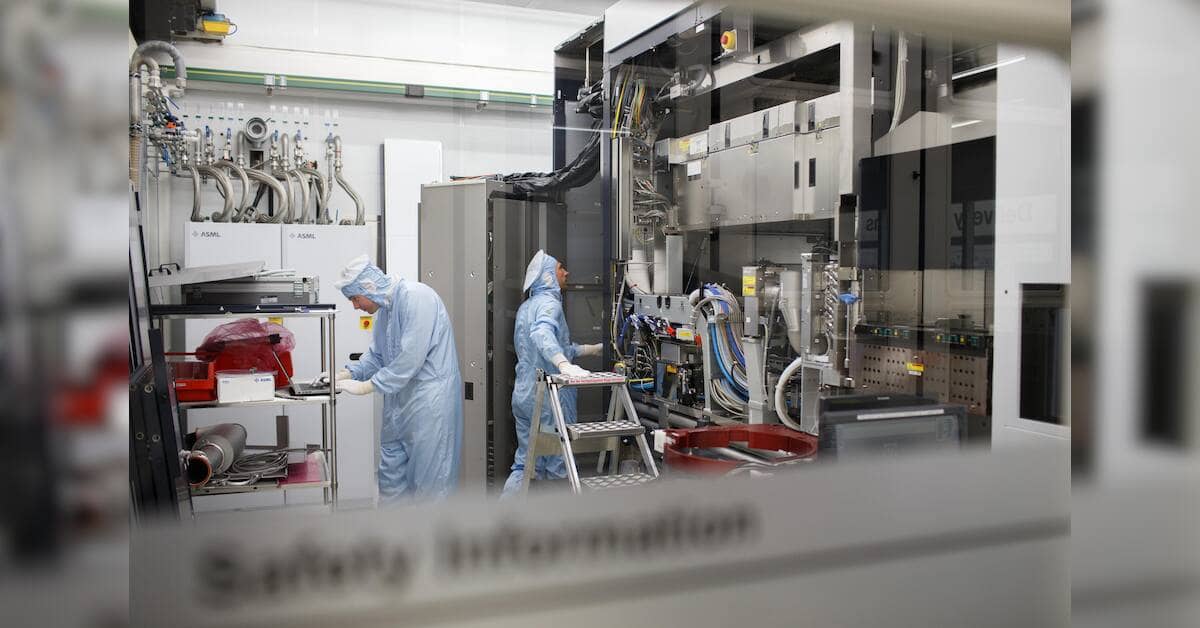
Frank Rohmund, head of semiconductor operations at German optics manufacturer Zeiss, said the timeline reflects the substantial technical hurdles involved in mastering equipment used to produce the world's most advanced computer chips. His assessment highlights how dependent Chinese chipmakers remain on foreign suppliers, despite accelerating domestic efforts to reduce reliance on American and European technology.
The comments come as the Chinese government intensifies investments in semiconductor manufacturing following successive rounds of US sanctions targeting the sector. Washington has progressively tightened export controls on advanced chipmaking equipment and materials, prompting Beijing to prioritize developing indigenous alternatives across the supply chain.
Extreme ultraviolet lithography, or EUV, represents the cutting edge of chip production technology. Only a handful of companies worldwide, including ASML of the Netherlands—for which Zeiss supplies critical optical components—possess the capability to manufacture such machines. The complexity of EUV systems requires expertise across multiple specialized domains, from precision optics to advanced control systems.
Rohmund's estimate suggests that even with substantial capital investment and technical talent, China would face a considerable lag in achieving technological parity with established manufacturers. Industry analysts note that breakthroughs in semiconductor equipment typically require years of iterative development, testing, and refinement before reaching production quality.
The remarks underscore the structural challenges China confronts in its quest for chip independence, even as it pursues alternative strategies including increased domestic production capacity and partnerships with allied suppliers outside the US sphere of influence.