World · India Bureau
China grapples with Cultural Revolution legacy five decades later
Half a century after Mao Zedong's tumultuous Cultural Revolution ended, China continues to reckon with the campaign's profound impact on society, politics and collective memory. The decade-long upheaval fundamentally reshaped the nation's trajectory and remains a defining chapter in contemporary Chinese history.
LSN India ·
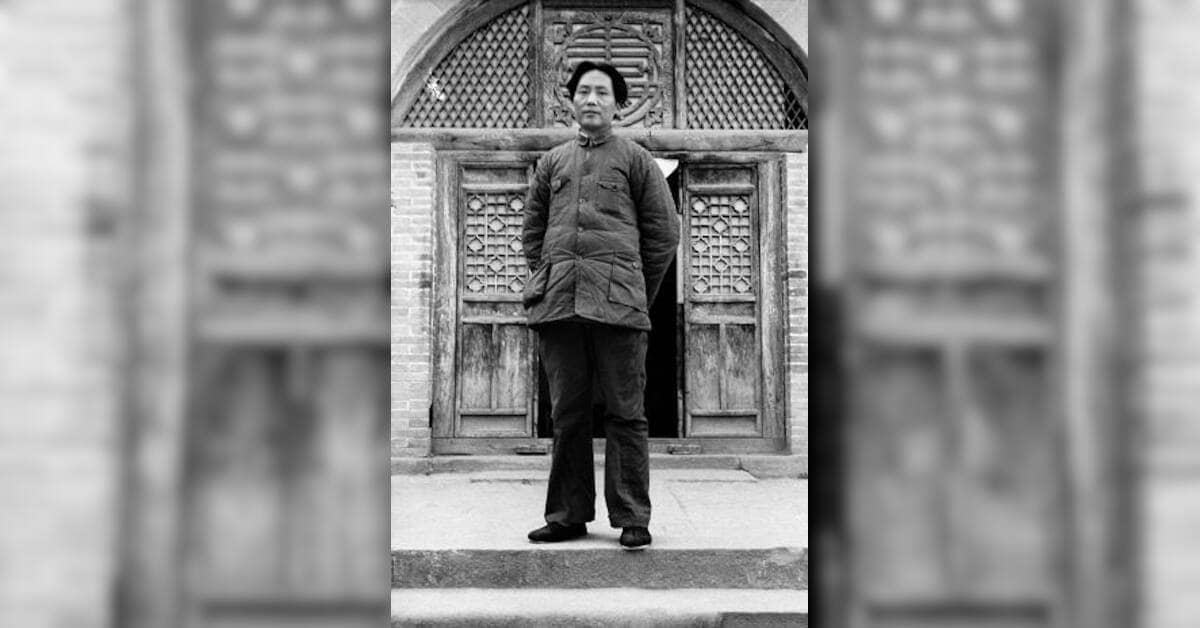
The Cultural Revolution, launched by Mao in 1966 as the aging leader sought to consolidate power and eliminate perceived threats, mobilized millions of students and party loyalists against designated "class enemies" and officials accused of following a "capitalist road." The campaign unleashed widespread social chaos, destroyed countless cultural artifacts, and resulted in the persecution of intellectuals, party cadres and ordinary citizens deemed ideologically unreliable. Estimates suggest millions died during the decade-long period that ended with Mao's death in 1976.
Five decades later, the reverberations of this turbulent era continue to shape China's political consciousness and governance. While the Chinese Communist Party has officially acknowledged the Cultural Revolution as a catastrophic mistake, detailed public discussion of the period remains restricted. The government maintains tight controls over historical narratives and educational curricula related to this chapter of history.
Scholar and survivor accounts reveal how the campaign fractured families, interrupted education for an entire generation, and created deep psychological wounds that persist across Chinese society. The movement demonstrated the dangers of unchecked power and ideological extremism, lessons that contemporary Chinese leadership frequently invokes when discussing party discipline and stability.
The Cultural Revolution's legacy extends beyond China's borders, influencing how Asian nations view political authority, revolutionary movements, and the preservation of historical memory. For scholars studying 20th-century history and political movements across South and Southeast Asia, the period remains a crucial case study in the consequences of radical state-directed social transformation.