World · World News Bureau
China leads global emissions as historical US carbon debt looms large
While the United States has released more carbon dioxide into the atmosphere than any nation historically, China has surpassed it as the world's largest current emitter. Understanding which countries and industries drive global greenhouse gas output remains critical to international climate efforts.
LSN World News ·
China's emergence as the top greenhouse gas emitter reflects its rapid industrialisation and role as a global manufacturing hub, producing goods consumed worldwide. The country's energy infrastructure, heavily reliant on coal-fired power plants, has made it responsible for roughly 30 percent of global emissions in recent years.
The United States, despite ranking second in current emissions, carries a disproportionate historical responsibility for atmospheric carbon. American industrial activity since the 19th century has contributed more cumulative CO2 to the atmosphere than any other nation, a metric that shapes international climate negotiations and questions of equitable burden-sharing.
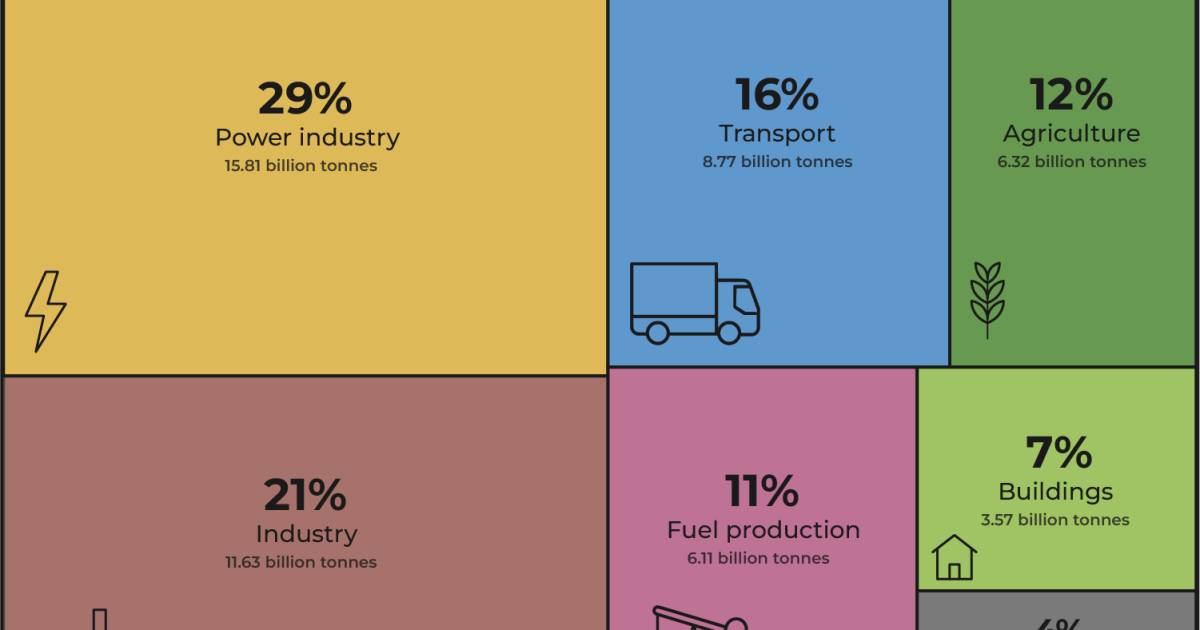
Beyond national borders, specific industries drive emissions globally. Energy production, including coal, oil and gas extraction and power generation, accounts for the largest share of greenhouse gases worldwide. Transportation, cement manufacturing, steel production and agriculture also represent significant contributors to atmospheric carbon loads.
Developed nations in Europe and smaller high-income countries have begun reducing emissions through renewable energy adoption and efficiency improvements. However, the world's total greenhouse gas output continues rising, driven by energy demand in developing economies and consumption patterns in wealthy nations.
Climate experts emphasise that addressing global emissions requires simultaneous action across multiple fronts: transitioning energy systems away from fossil fuels, improving industrial efficiency, and shifting consumption patterns in high-income countries while supporting clean development in emerging economies.