World · World News Bureau
China leverages trade and tariff disputes in Trump negotiations
As the incoming U.S. administration prepares to take office, China has positioned itself with significant leverage in trade negotiations, with potential tariff disputes and economic interdependence shaping diplomatic dynamics.
LSN World News ·
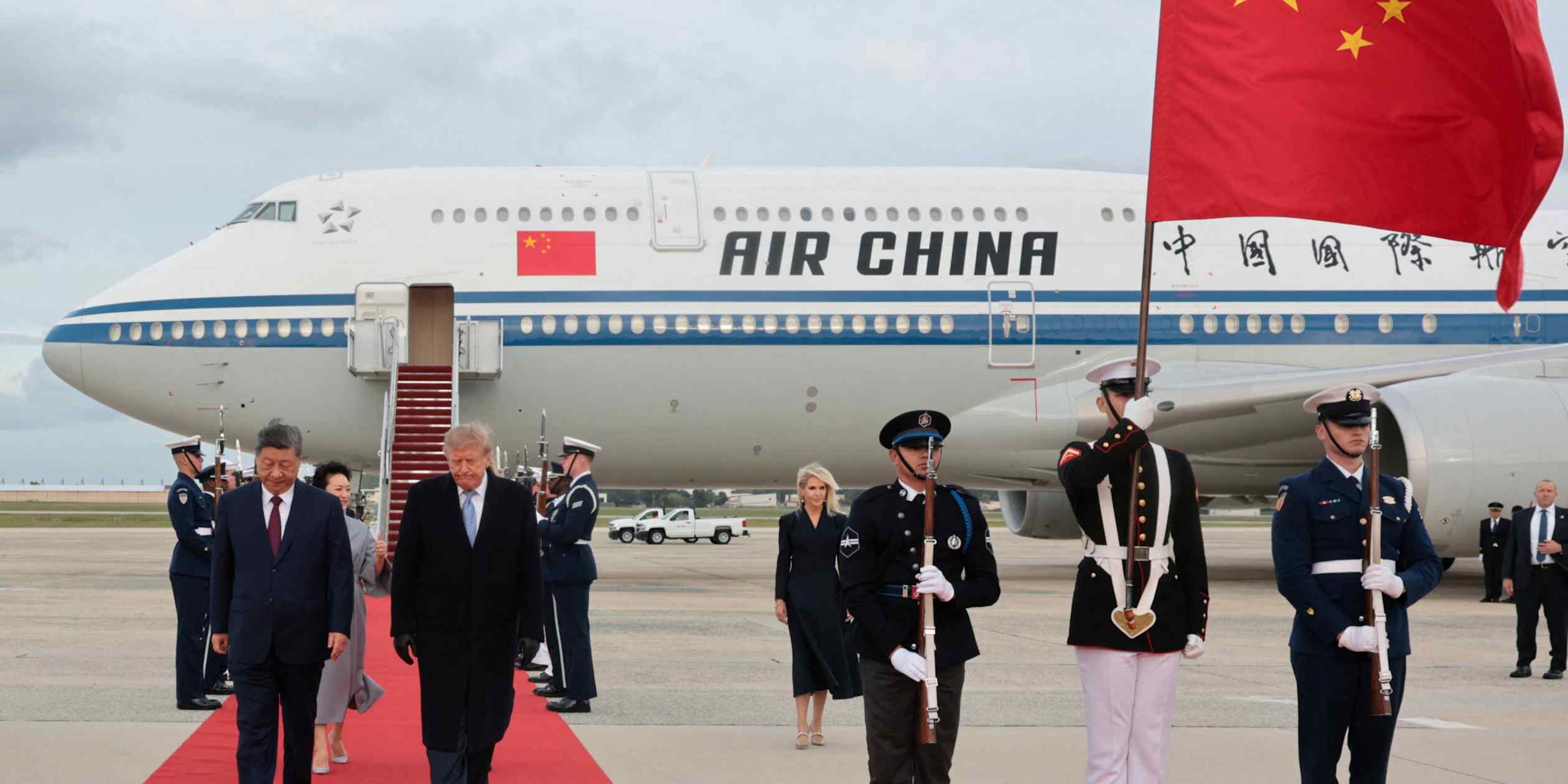
China's economic influence has expanded considerably ahead of anticipated trade policy shifts from the incoming U.S. administration, according to analysts tracking bilateral relations. The world's second-largest economy holds multiple negotiating advantages, including control over critical supply chains, substantial holdings of U.S. Treasury bonds, and the ability to impose retaliatory tariffs on American goods and services.
Trade tensions have intensified as the incoming administration signals plans to implement aggressive tariff policies. China's willingness to absorb short-term economic pain while maintaining strategic patience gives it considerable latitude in discussions, experts note. The country's state-directed economic model allows policymakers to weather protectionist measures more readily than market-driven economies.
Key leverage points include rare earth elements essential for advanced manufacturing, pharmaceuticals, and consumer goods that rely on Chinese production or components. Additionally, China's massive consumer market represents significant potential lost revenue for American corporations, making business communities stakeholders in negotiation outcomes.
Analysts suggest that both nations face competing pressures—the U.S. administration's campaign promises clash with economic realities of decoupling, while China seeks stability despite external uncertainties. The coming months will test whether either side can translate structural advantages into durable agreements or whether tit-for-tat escalation becomes the dominant pattern.