Politics · Singapore Bureau
China marks 50 years since Mao's death as legacy remains contested
China observed the half-century anniversary of Mao Zedong's death on Wednesday, reflecting on the founding leader's enduring influence over the nation and the Communist Party's trajectory. The commemoration comes as historians and policymakers continue to grapple with the complexities of Mao's rule and its impact on modern China.
LSN Singapore ·
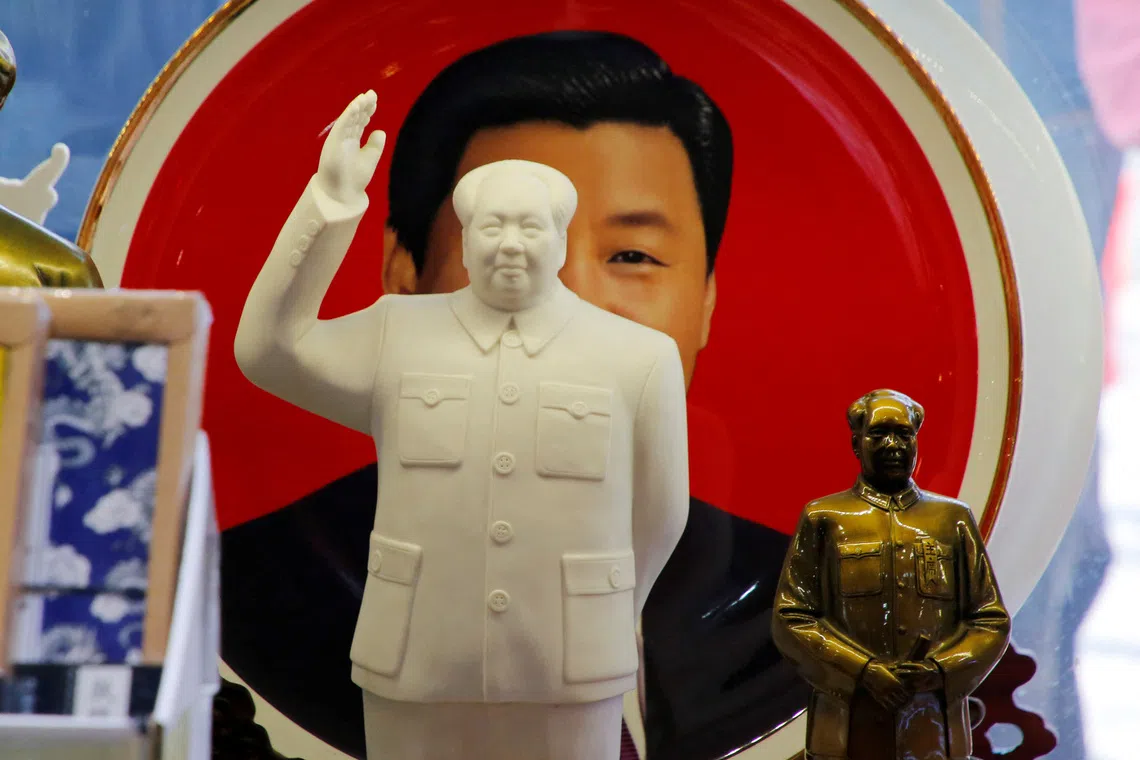
Beijing marked Wednesday's milestone as the nation reflected on five decades since the death of Mao Zedong, the founding father who consolidated Communist Party control over roughly a quarter of the world's population and reshaped China's political landscape. The anniversary underscores the persistent tension between acknowledging Mao's role in establishing the People's Republic and the turbulent periods that defined his tenure.
Mao's legacy remains a delicate subject within China's political discourse. While the Communist Party credits him with unifying the nation and laying the foundations for its emergence as a major power, the darker chapters of his rule—including the Great Leap Forward and the Cultural Revolution—resulted in millions of deaths and profound social upheaval that continue to resonate across Chinese society.
The Cultural Revolution, which lasted from 1966 to 1976, particularly left scars on multiple generations of Chinese citizens through widespread persecution, educational disruption, and cultural destruction. Survivors and their families have long grappled with the trauma inflicted during this decade of chaos, though official discussion of the period remains circumscribed within China.
As China progresses under current leadership, the question of how to reconcile Mao's historical significance with the catastrophic consequences of certain policies remains unresolved. The anniversary reflects broader questions about how nations confront complicated historical figures and the extent to which past upheavals shape contemporary governance and society.