World · Malaysia Bureau
China moves to give gig workers formal employment contracts
Beijing has unveiled draft regulations that would require online platforms to provide standardised employment agreements to millions of gig workers across the country. The proposed measures aim to strengthen labour protections for the growing workforce in the digital economy.
LSN Malaysia ·
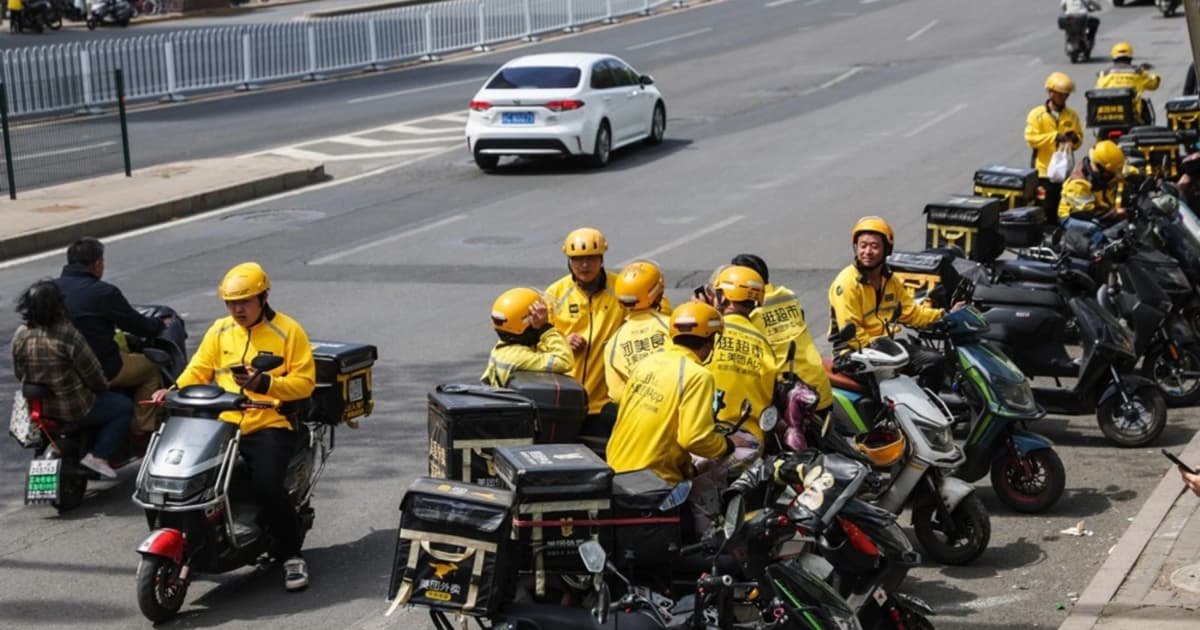
China's government has introduced draft rules designed to formalise the employment relationship between online platforms and their gig workers, marking a significant shift in labour policy for the digital economy. Under the proposed regulations, ride-hailing services, food delivery platforms, and other online labour platforms would be required to sign standardised employment contracts with workers rather than treating them as independent contractors.
The move addresses long-standing concerns about worker protections in China's gig economy, which has expanded rapidly over the past decade. Millions of delivery riders, drivers, and other platform workers currently operate with minimal job security, limited access to benefits, and little recourse against arbitrary dismissal or wage disputes.
The draft rules would establish minimum standards for employment agreements, including provisions related to working hours, wages, safety conditions, and insurance coverage. Platform companies would face penalties for failing to comply with the new requirements, though specific enforcement mechanisms remain under review.
Industry observers note the regulations could represent a turning point for worker protections in one of the world's largest gig economies. The proposal reflects broader government efforts to strengthen labour standards as concerns mount over worker welfare and social stability in the digital sector.
The regulations are currently in draft form and subject to public consultation before finalisation. Implementation timelines and how established platforms will transition to the new employment framework remain to be clarified.