World · Singapore Bureau
China prioritises de-escalation in Middle East amid regional tensions
Beijing has called for dialogue between Iran and the United States as a means to prevent further conflict in the volatile region. The statement underscores China's concerns over escalating hostilities that could disrupt trade routes and regional stability.
LSN Singapore ·
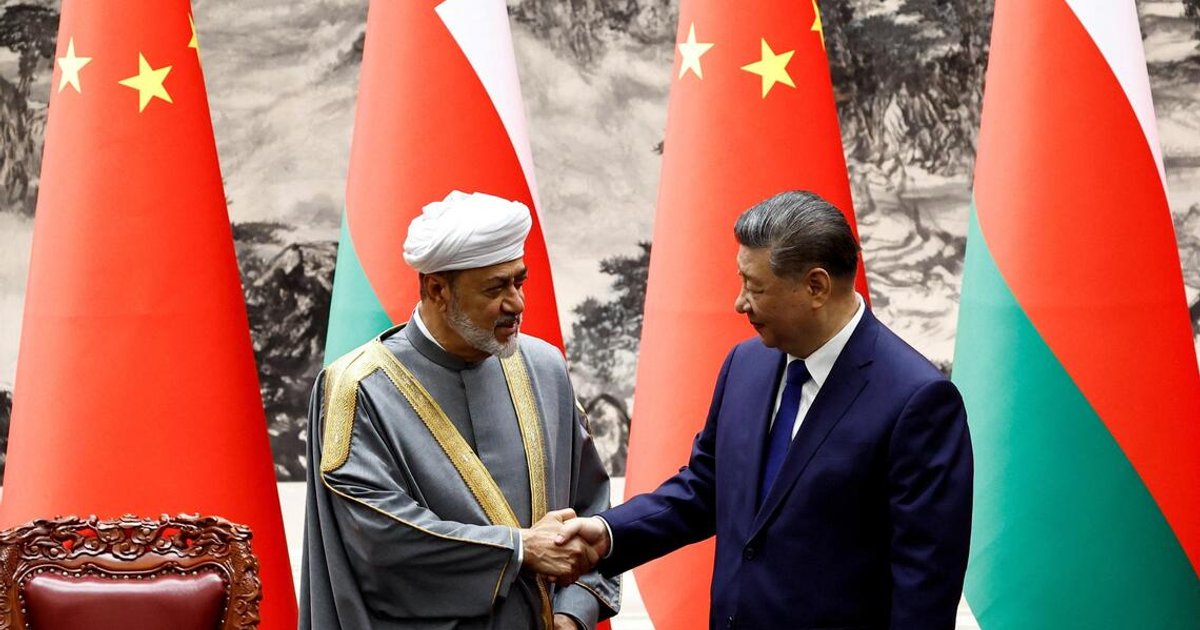
China has identified the prevention of new military confrontations in the Middle East as a critical foreign policy objective, according to statements from Beijing officials. The Chinese government is actively pushing for diplomatic engagement between Tehran and Washington, viewing direct communication as essential to averting a broader conflict.
The emphasis on de-escalation reflects concerns over several flashpoints that could threaten regional security and international commerce. China has specifically highlighted the situation in Yemen and tensions surrounding the Strait of Hormuz—a crucial waterway through which substantial volumes of global energy supplies transit annually.
The Strait of Hormuz remains particularly significant for Beijing given China's heavy dependence on Middle Eastern oil imports. Any disruption to shipping lanes or military escalation in the region poses direct risks to China's energy security and economic interests across Asia.
China's diplomatic positioning represents an attempt to balance its strategic relationships while advocating for stability. As a major trading partner with both regional and global powers, Beijing maintains it has a vested interest in preventing renewed hostilities that could have far-reaching economic consequences for the broader Asia-Pacific region.