Politics · India Bureau
China rejects Anthropic CEO's call to restrict Beijing's AI capabilities
Beijing has pushed back against the head of AI safety firm Anthropic, who warned that curbing China's artificial intelligence development is essential to maintaining US technological dominance. The rebuke comes as US and Chinese leaders prepare for high-level talks on AI governance.
LSN India ·
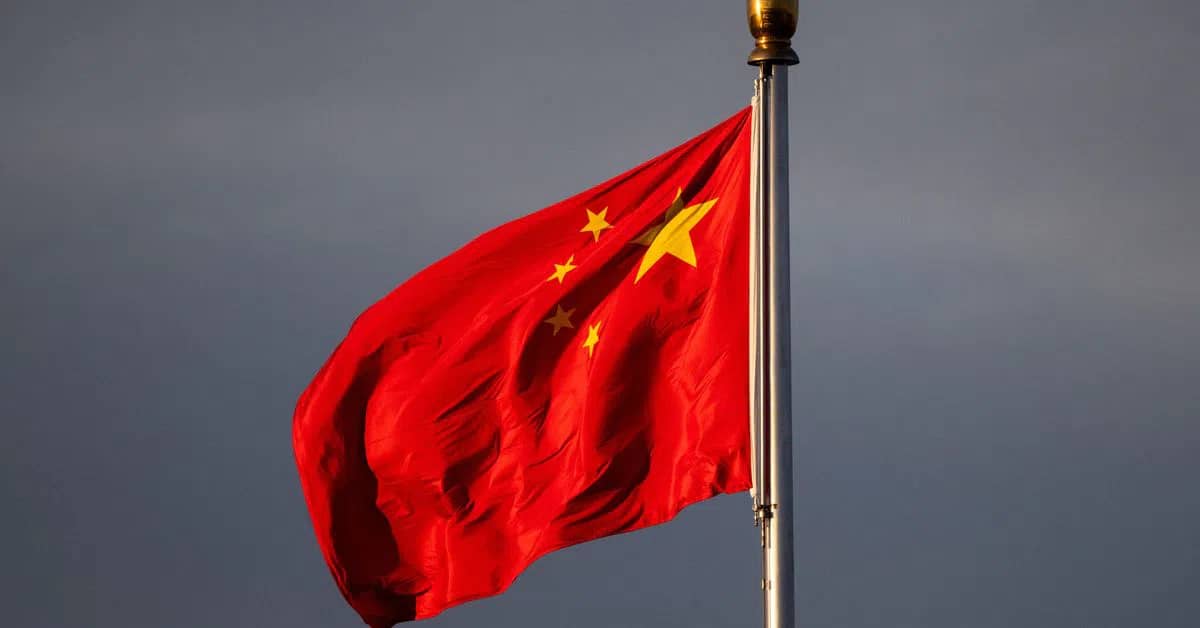
China's Ministry of Foreign Affairs on Monday dismissed calls from Anthropic CEO Dario Amodei to restrict Beijing's AI capabilities, arguing that confrontational approaches would undermine global cooperation on the technology. Amodei, in an essay published over the weekend, warned that a Chinese lead in artificial intelligence would pose significant risks to the United States and the international community, and urged continued restrictions on exports of advanced AI chips and chipmaking equipment to China.
Chinese Foreign Ministry spokesperson Guo Jiakun responded by urging all parties to work together constructively on AI governance. "Fearmongering, confrontation and vicious competition will only disrupt the process of global AI governance which serves no one's interest," the spokesman said, signalling Beijing's preference for multilateral dialogue over unilateral restrictions.
The exchange reflects deepening divisions between Washington and Beijing over AI development and control, even as both nations signal willingness to engage on the issue. US President Donald Trump and Chinese leader Xi Jinping are scheduled to meet on September 24 to discuss AI governance alongside other bilateral concerns, offering a potential opportunity to ease tensions over the strategic technology.
The debate underscores the broader geopolitical competition between the world's two largest economies over artificial intelligence, a field both view as critical to future economic and military advantage. The contrasting approaches—with the US emphasizing restrictions and security, and China emphasizing cooperation—highlight the challenge of establishing shared global standards for AI development.