Business · World News Bureau
China resists pressure to accelerate yuan appreciation amid trade tensions
Beijing is maintaining a cautious approach to currency appreciation despite mounting demands from the United States and European nations seeking to address widening trade imbalances. The measured pace of yuan strength reflects China's economic concerns even as Western capitals escalate calls for rebalancing.
LSN World News ·
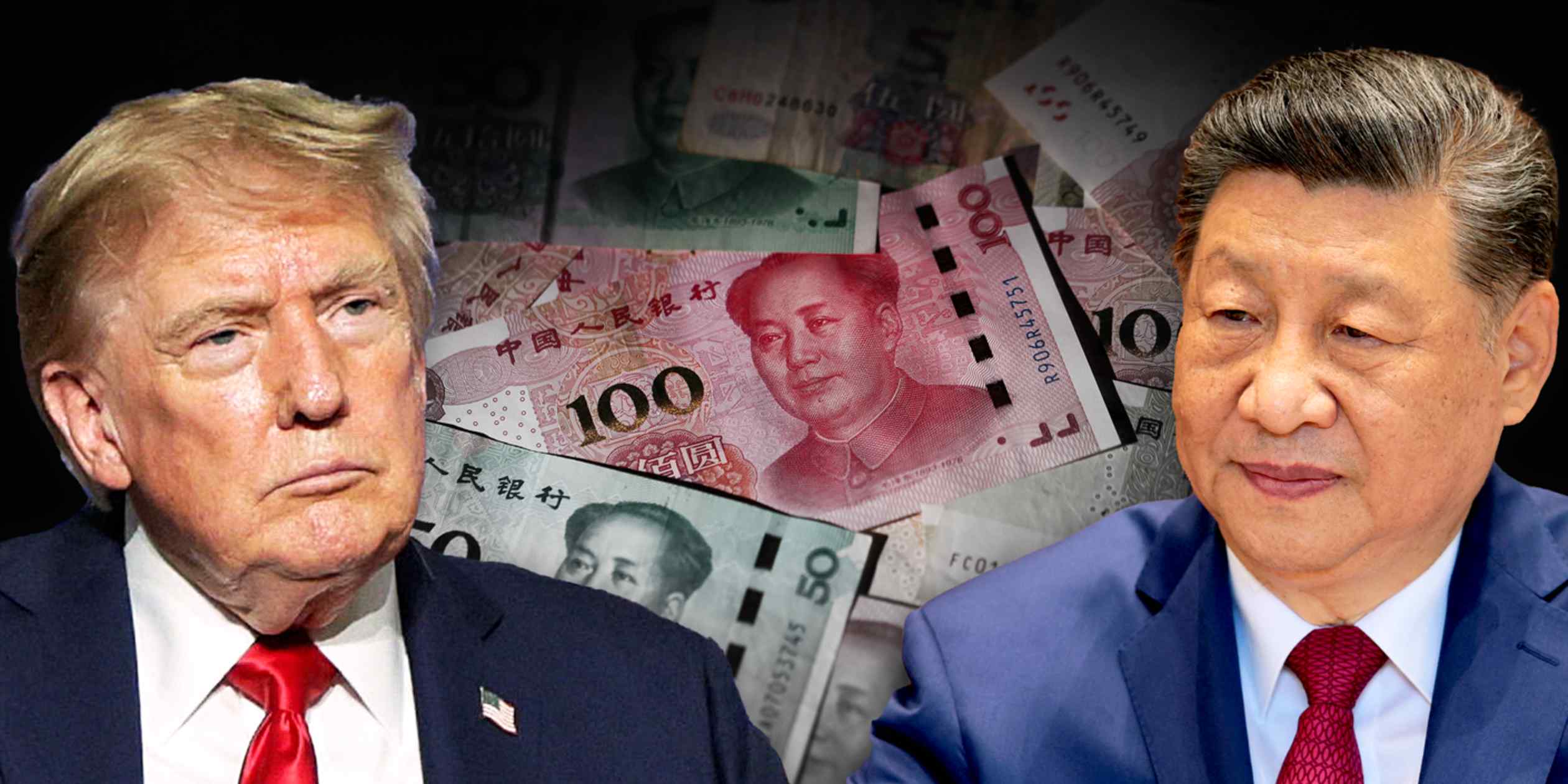
China is moving deliberately on yuan appreciation, declining to accelerate currency gains despite intensifying pressure from Western trading partners seeking to reduce bilateral deficits. The measured approach signals Beijing's reluctance to implement measures that could dampen export competitiveness at a time of slowing domestic growth and rising economic headwinds.
Washington and Brussels have increasingly focused on currency valuation as a key lever for addressing trade imbalances, with officials arguing that a stronger yuan would make Chinese exports more expensive and level the playing field for domestic producers. The issue has become central to broader trade negotiations as both regions pursue strategies to counter what they characterize as unfair competitive advantages.
China's central bank has allowed gradual appreciation while maintaining tight management of the currency through daily fixing mechanisms and capital controls. Officials have resisted suggestions for more rapid revaluation, citing concerns about export sector stability and the need to support domestic employment. The cautious stance reflects Beijing's balancing act between appeasing international partners and protecting its export-dependent economy.
Economists note that yuan appreciation alone may have limited impact on trade flows, as structural factors and global supply chains play significant roles in determining bilateral imbalances. Nevertheless, currency policy remains a flashpoint in broader disputes over market access, industrial subsidies, and intellectual property protections between China and Western economies.