World · India Bureau
China, Russia Challenge Dollar Dominance; BRICS Next Frontier
Beijing and Moscow are accelerating efforts to reduce reliance on the US dollar in bilateral trade, signaling a broader shift in global financial dynamics. The moves have implications for BRICS expansion and emerging market currency strategies.
LSN India ·
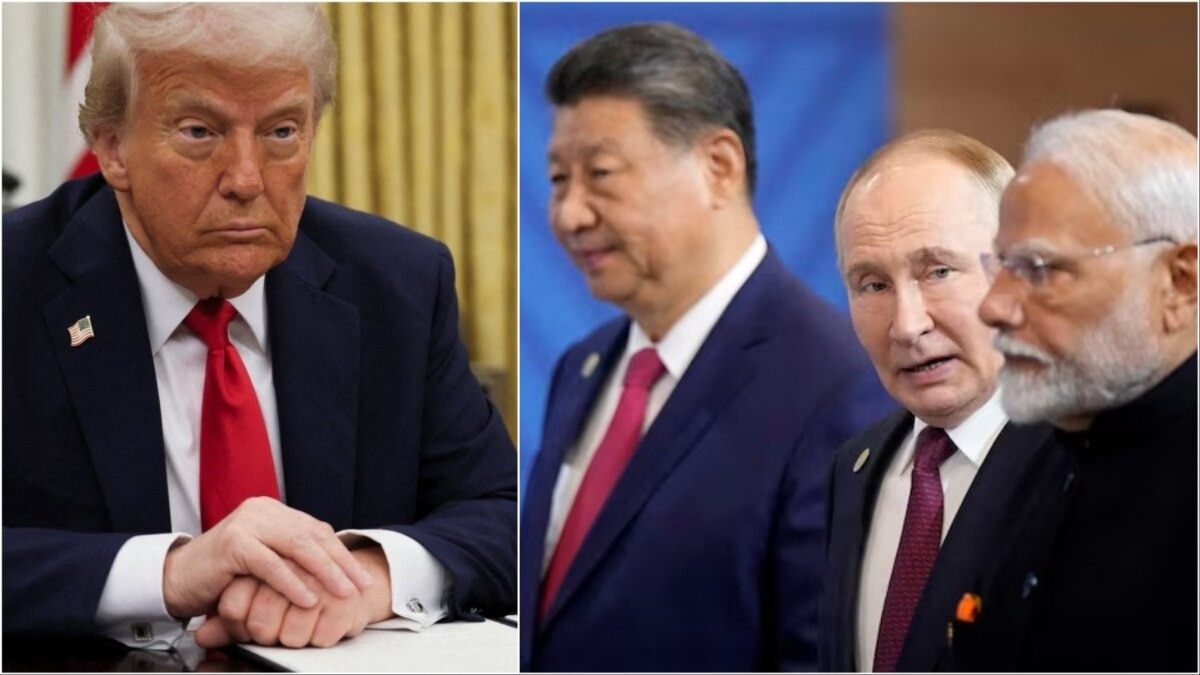
China and Russia have intensified moves to bypass the US dollar in their mutual trade settlements, reflecting a long-term strategy to diminish American currency's global hegemony. The two nations have expanded use of the Chinese yuan and Russian ruble in cross-border transactions, reducing their exposure to dollar-denominated assets and potential sanctions risks.
The shift represents a fundamental challenge to decades of dollar supremacy in international commerce. Analysts note that Beijing and Moscow's de-dollarization efforts extend beyond bilateral trade to include infrastructure financing, energy deals, and regional payment systems. These initiatives have gained momentum amid geopolitical tensions and Western sanctions against Russia.
The developments carry implications for BRICS, the bloc comprising Brazil, Russia, India, China, and South Africa. With recent expansion to include new members, BRICS nations have discussed creating alternative financing mechanisms and exploring common currency frameworks. India and other members face decisions about participating in de-dollarization initiatives while managing their own foreign exchange policies and trade dynamics.
Economists caution that displacing the dollar as the world's dominant reserve currency is a gradual process requiring coordination among multiple countries and alternative institutional frameworks. However, the China-Russia initiatives underscore growing efforts by major powers to reshape global financial architecture in ways that reduce US influence and create space for emerging market alternatives.