Politics · Malaysia Bureau
China's Central Bank Shifts to Overnight Rate as Primary Policy Tool
The People's Bank of China is accelerating its transition toward using overnight interest rates as its main monetary policy anchor, implementing daily fixed-rate operations starting Monday. The move underscores Beijing's efforts to modernize its interest rate transmission mechanism.
LSN Malaysia ·
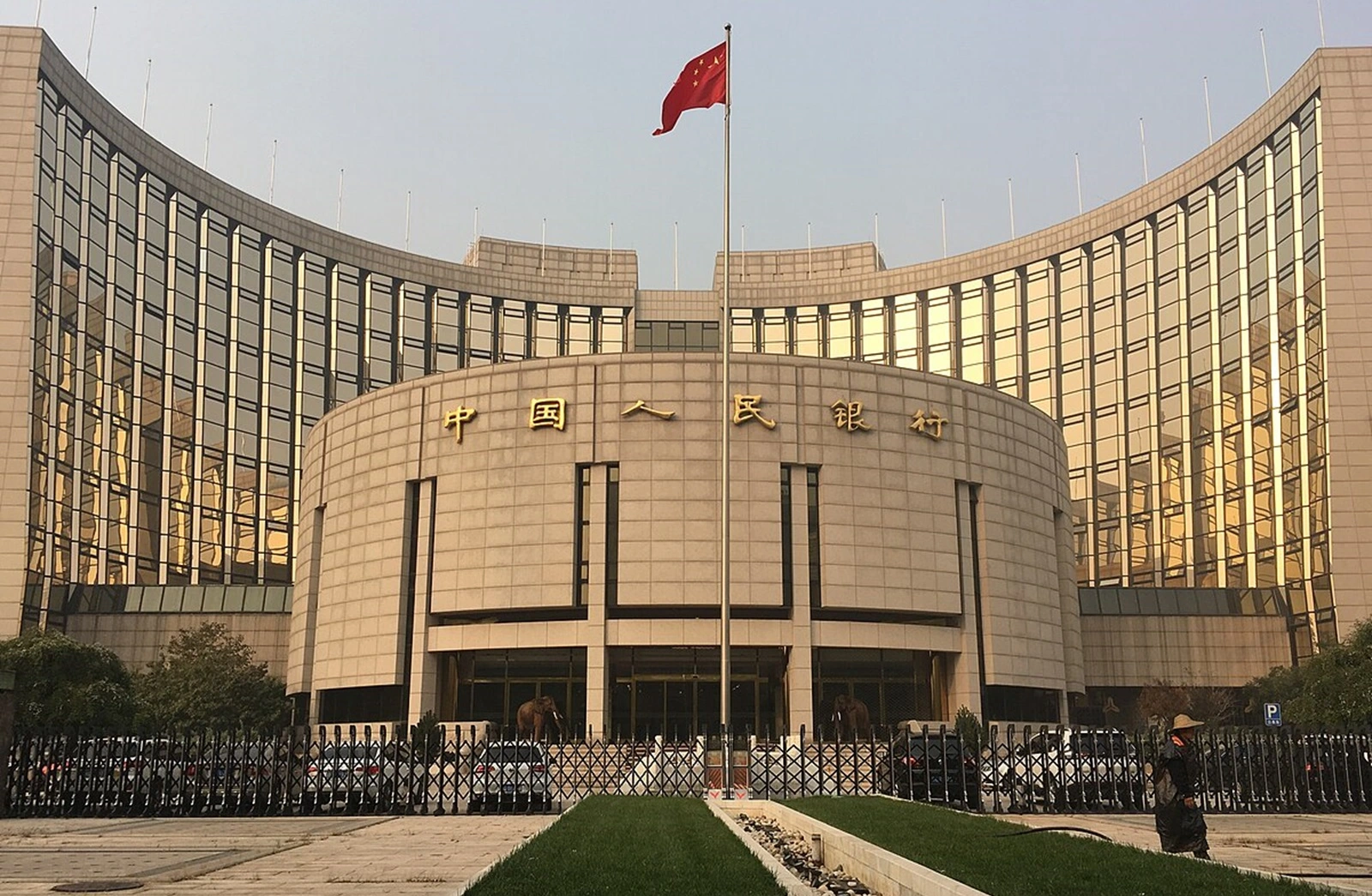
China's monetary authorities will conduct overnight operations through a standardized, fixed-rate tender process each business day, with the operating rate set at 1.25%, effective immediately. The adjustment represents a significant step in the central bank's gradual shift away from traditional policy rate frameworks toward more market-responsive overnight benchmarks.
The People's Bank of China has been incrementally reorienting its policy transmission channels over recent years, moving toward greater reliance on overnight rates to guide liquidity conditions across the financial system. By implementing daily operations with consistent procedures, the central bank aims to establish the overnight rate as a more stable and transparent anchor for monetary policy.
This transition aligns with global best practices adopted by major central banks, which increasingly use overnight rates as primary policy tools due to their sensitivity to real-time market conditions. For financial institutions and markets in Malaysia and across Southeast Asia, the shift signals China's commitment to enhancing the efficiency of its monetary policy framework.
The fixed-rate tender mechanism allows the central bank to supply liquidity at predetermined rates while maintaining control over the money supply. The standardized daily schedule is expected to improve predictability and reduce volatility in China's interbank lending markets, supporting more stable financial conditions across the region's interconnected economies.