World · India Bureau
China's Communist Party shapes national identity through historical narratives
Beijing's ruling Communist Party has constructed its political legitimacy around the concept of a "Century of Humiliation," a historical framework that continues to shape Chinese national consciousness and policy priorities.
LSN India ·
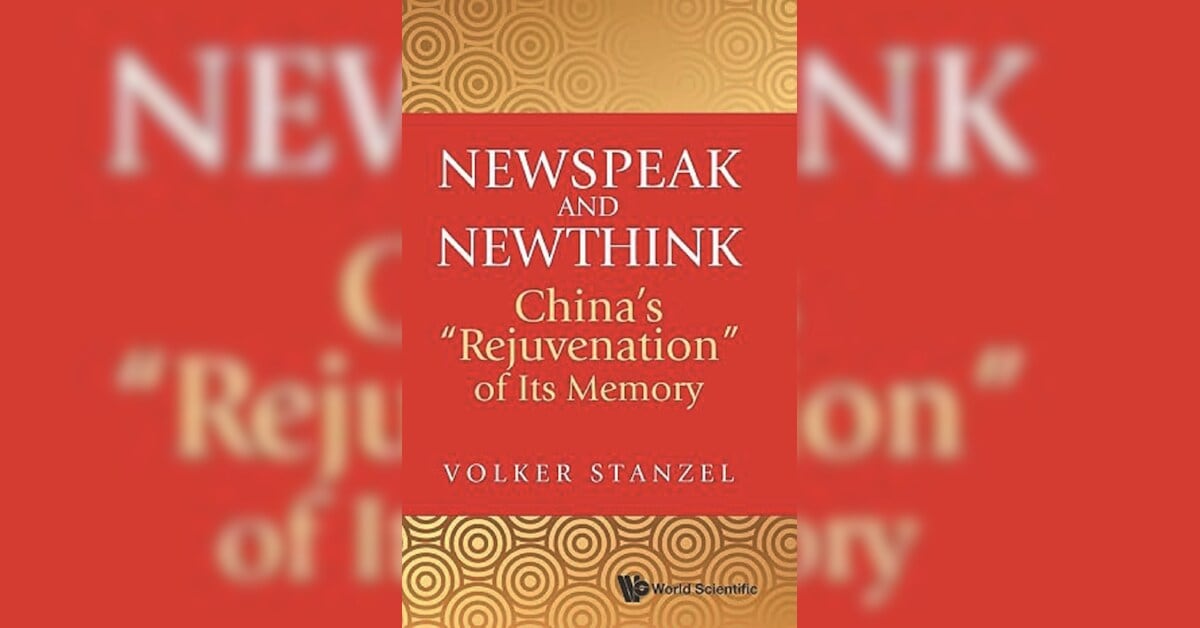
The Chinese Communist Party has built much of its foundational legitimacy on a specific historical narrative that frames the period from the mid-1800s through the mid-1900s as a time of national degradation and foreign exploitation. This constructed historical memory, termed the "One Hundred Years of Humiliation," serves as the cornerstone of the party's social contract with the Chinese people, positioning itself as the force that rescued the nation from subjugation and restored its dignity.
The concept encompasses China's defeats in the Opium Wars, territorial losses, unequal treaties with foreign powers, and the Japanese occupation—events that are presented as defining moments in national consciousness. By framing these historical episodes through this lens, the party has created a shared narrative that justifies its continued rule and resonates deeply with public sentiment about restoring national standing on the world stage.
This historical framework extends beyond academic discourse into education, media, and public discourse throughout China. The narrative shapes how citizens understand contemporary geopolitical tensions and international relations, influencing perspectives on territorial disputes, economic competition, and China's role in global affairs. The party uses this historical memory strategically to build national unity and rally support for its policies.
The "Century of Humiliation" framework remains central to how the Chinese state constructs its legitimacy and national identity today. By anchoring its rule in the promise of national restoration and rejuvenation, the party links historical grievances to contemporary aspirations, creating a powerful narrative that continues to influence Chinese society's collective memory and political consciousness.