Business · Singapore Bureau
China's demand for donkey hides fuels unlikely Pakistan trade boom
A surge in Chinese demand for ejiao, a traditional medicine ingredient derived from donkey hides, has created a lucrative but controversial trade corridor with Pakistan. The practice has raised concerns among animal welfare advocates across the region.
LSN Singapore ·
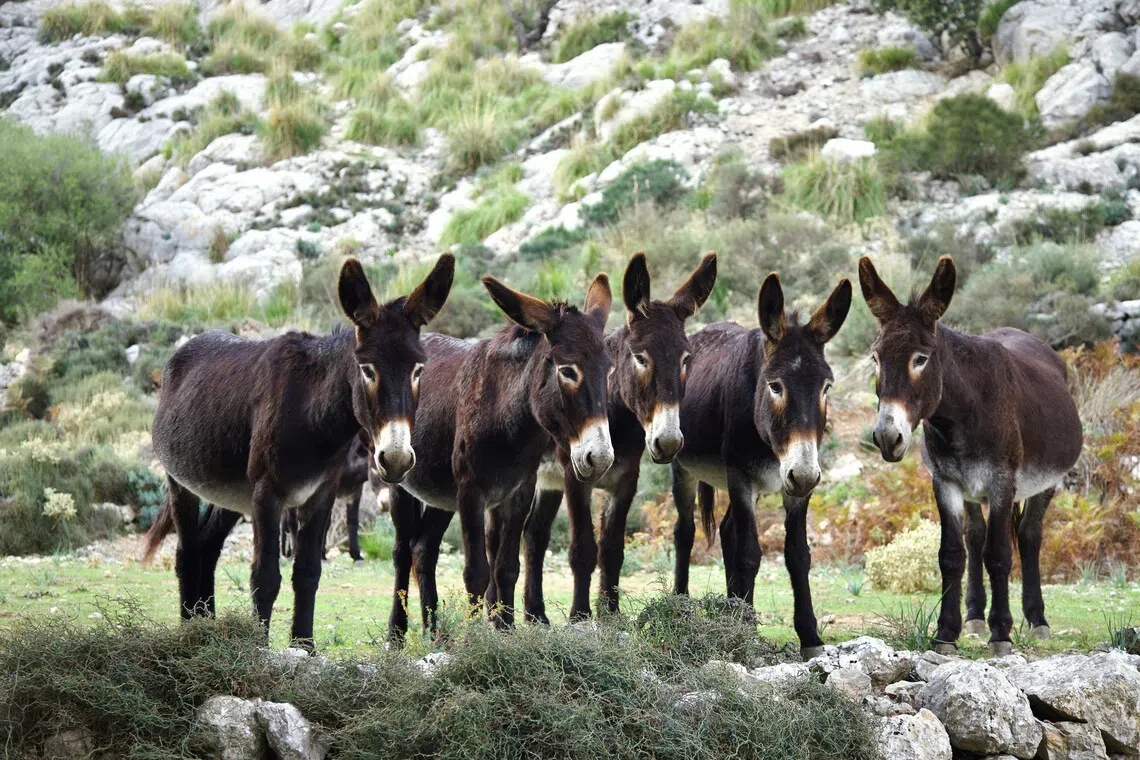
China's appetite for donkey hides has emerged as an unexpected economic driver in Pakistan, where thousands of the animals are being processed to meet surging demand from traditional Chinese medicine manufacturers. Ejiao, a gelatinous substance extracted from donkey hides, commands premium prices in China's wellness market, where it is valued for its purported health benefits and used in tonics and supplements.
The trade has grown substantially over recent years as Chinese producers struggle to source sufficient donkey hides domestically. Pakistan, with its large donkey population, has positioned itself as a key supplier to fill this gap, creating employment opportunities in animal husbandry and processing sectors. The economic incentives have proven significant enough to sustain a growing cross-border commerce network.
However, the expansion of the donkey hide trade has drawn criticism from animal welfare organizations, which have raised concerns about the treatment of animals throughout the supply chain. Advocates argue that the surge in demand is unsustainable and risks depleting donkey populations used in transport and agricultural work, particularly in rural communities that depend on these animals for livelihoods.
The bilateral trade reflects broader patterns of regional commerce driven by traditional medicine demand, though it remains a sensitive topic among activists. As Chinese manufacturers continue seeking reliable sources of raw materials, the dynamics of this unlikely trade corridor are likely to shape animal husbandry practices across South Asia in coming years.