Business · World News Bureau
China's economic momentum falters as property, consumption weaken
China's growth trajectory is losing steam as persistent weakness in the real estate sector and slowing retail activity drag on the world's second-largest economy. The concurrent pressures signal deepening structural challenges that could constrain Beijing's near-term expansion prospects.
LSN World News ·
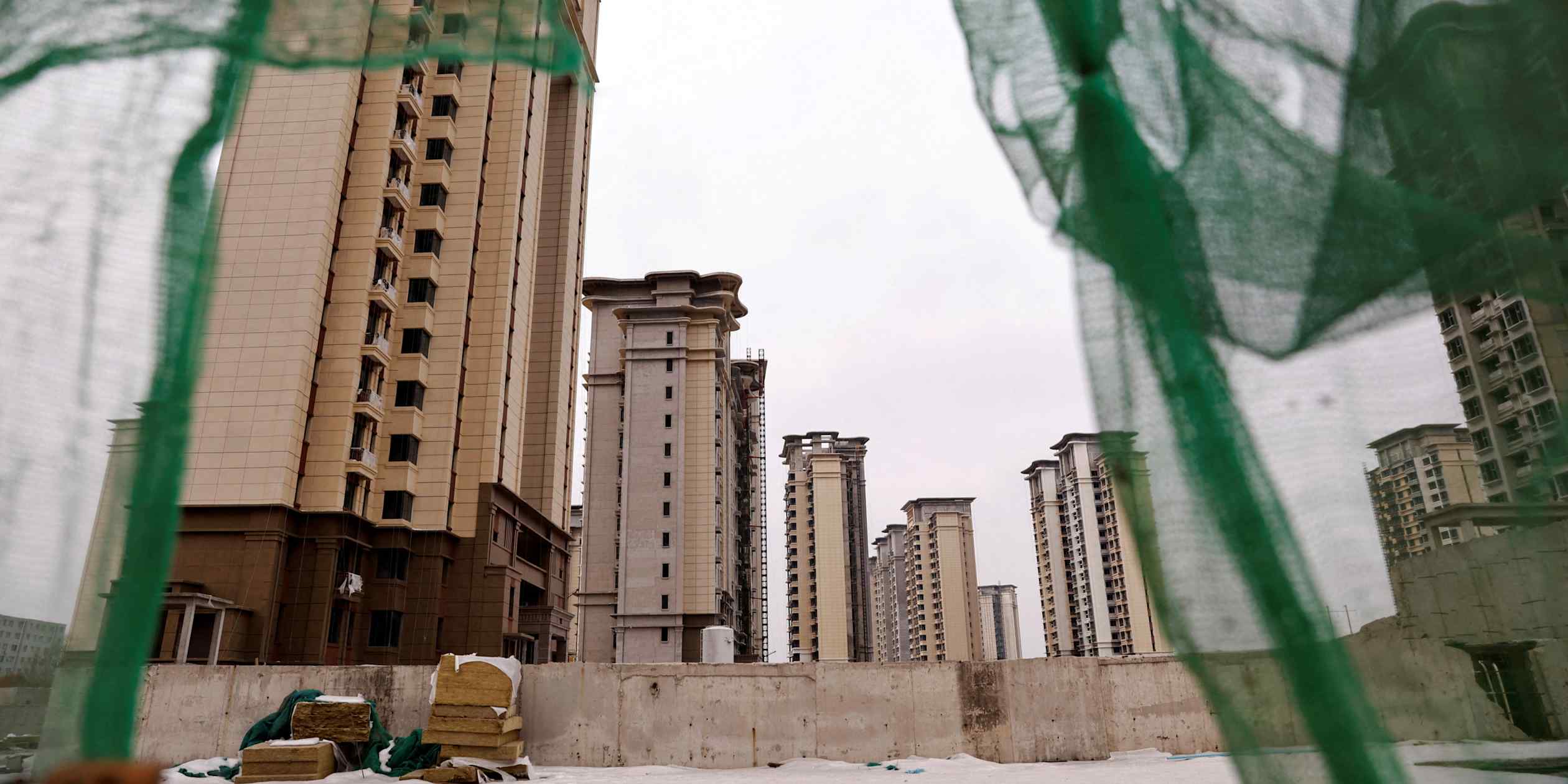
China's economic outlook has deteriorated as two of the economy's key pillars—residential property and consumer spending—show signs of sustained weakness. The real estate sector, which accounts for roughly a quarter of gross domestic product when including related industries, continues to struggle with weak demand and oversupply, while retail sales growth has decelerated, pointing to softer consumer confidence and purchasing power.
The property market downturn reflects a combination of factors, including high household debt levels, stricter lending standards, and demographic headwinds. Major developers continue to face financial stress, and new construction starts have slowed markedly. These dynamics ripple through the economy, affecting employment in construction and related industries, which in turn dampens consumer spending and tax revenues for local governments that depend heavily on land sales.
Retail weakness compounds the challenge, suggesting that Chinese households are becoming more cautious about discretionary purchases. This reluctance to spend undermines efforts to rebalance the economy away from investment and exports toward domestic consumption. Wage growth has moderated, and youth unemployment remains elevated, further weighing on sentiment.
Economists warn that without policy intervention, the concurrent slowdown in real estate and consumption could drag overall growth below policymakers' targets. Beijing has introduced various stimulus measures, including interest rate cuts and infrastructure spending programs, but their impact remains limited. The concurrent pressures highlight the structural difficulties facing the Chinese economy as it transitions from investment-driven to consumption-driven growth.