World · World News Bureau
China's elderly now outnumber children as demographic crisis deepens
China has crossed a historic demographic threshold, with working-age citizens now supporting more seniors than youngsters for the first time. The shift underscores Beijing's mounting challenge in sustaining economic growth amid rapid population ageing.
LSN World News ·
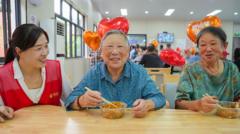
China's family structures have undergone a seismic shift, with latest census data revealing that the nation's elderly population has surpassed its child population, marking a watershed moment in the world's second-largest economy. The milestone reflects decades of the one-child policy coupled with declining birth rates, creating a demographic pyramid inverted from the norm seen in most developing nations.
The reversal presents acute challenges for China's social support systems and economic model. Working-age citizens increasingly face the burden of supporting both aging parents and potentially grandchildren, straining household finances and savings patterns. Pension systems and healthcare infrastructure, already under pressure, confront growing demands as the percentage of citizens over 65 continues to climb.
Policymakers in Beijing have begun implementing countermeasures, including relaxing family-planning restrictions and offering incentives to encourage higher birth rates. However, experts caution these initiatives face headwinds from rising costs of child-rearing, women's participation in the workforce, and shifting cultural attitudes toward family size.
The demographic transition carries profound implications for China's long-term development prospects, labour force participation, and global economic standing. Economists warn that without sustained productivity gains and workforce participation increases, the nation may struggle to maintain its growth trajectory as the ratio of dependents to working-age adults deteriorates further.