Business · Malaysia Bureau
China's emissions plunge as Middle East tensions disrupt oil flows
China recorded its sharpest drop in carbon emissions since the Covid-19 pandemic as oil consumption fell sharply in the third quarter, driven by shipping disruptions in the Strait of Hormuz amid regional tensions.
LSN Malaysia ·
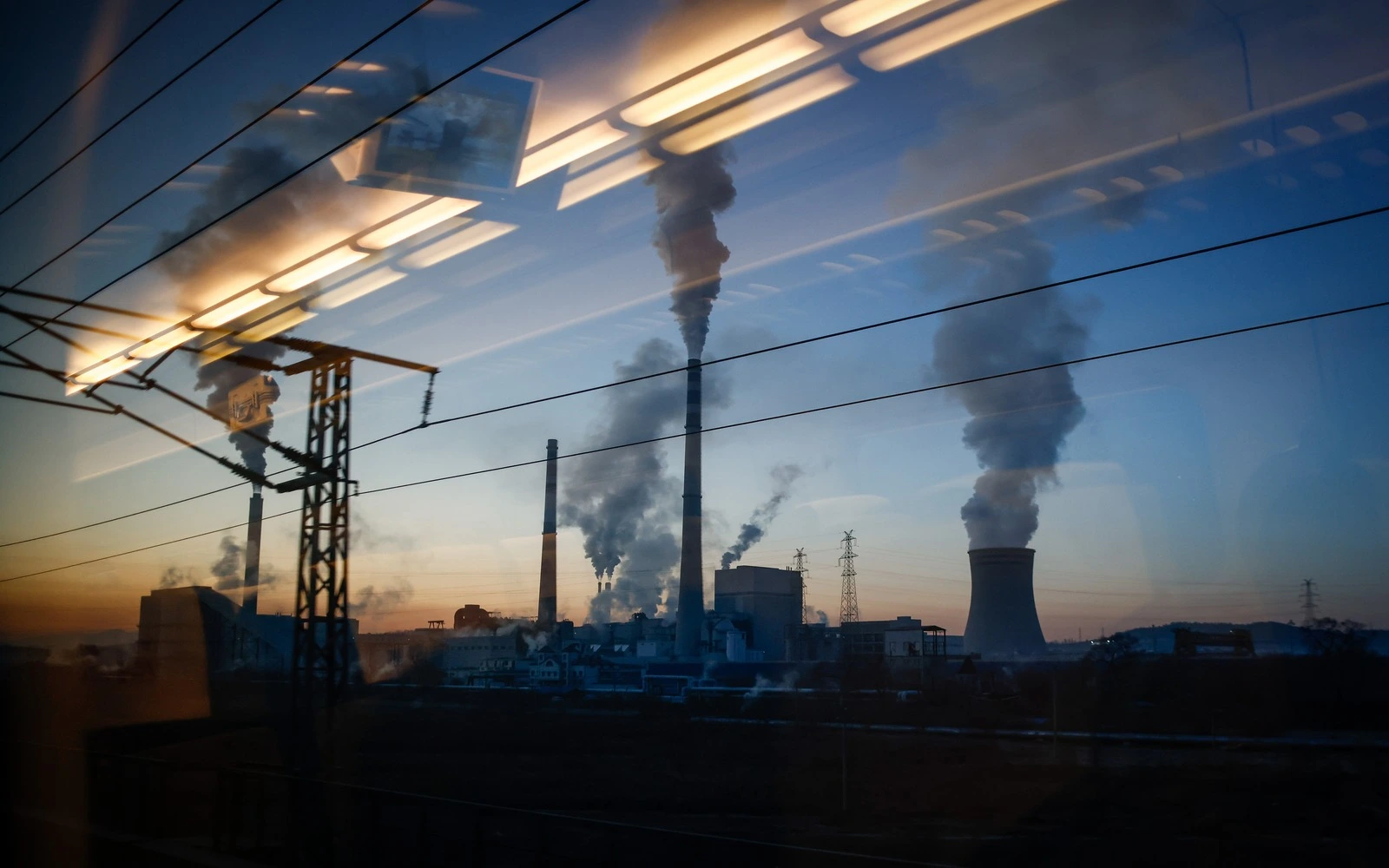
China's overall oil consumption declined 4 percent in the third quarter, marking the steepest emissions reduction for the world's second-largest economy since pandemic-related lockdowns in 2020. The contraction reflects broader supply chain pressures stemming from Middle East geopolitical tensions that have disrupted maritime shipping routes, a critical corridor for global energy flows.
The Strait of Hormuz, through which roughly one-third of the world's seaborne traded oil passes, has experienced increased volatility due to regional conflict. These shipping disruptions have forced Chinese refineries to operate at reduced capacity, constraining demand for crude imports and resulting in lower overall fuel consumption across the economy.
The decline underscores how geopolitical events can have immediate ripple effects on the world's manufacturing powerhouse. While lower emissions might appear positive from an environmental perspective, analysts caution the reduction reflects economic strain rather than structural shifts toward cleaner energy policies.
Industry observers are monitoring whether the disruptions prove temporary or signal a more sustained shift in energy patterns for China, which remains heavily dependent on imported fossil fuels to power its vast industrial base and economic growth.