World · India Bureau
China's First Nuclear Test Expanded Atomic Club, Shifted Global Power Balance
On this date in 1964, China conducted its maiden nuclear weapons test, becoming the fifth nation to join the exclusive nuclear powers club. The detonation fundamentally altered Cold War dynamics and introduced fresh security challenges for major world powers.
LSN India ·
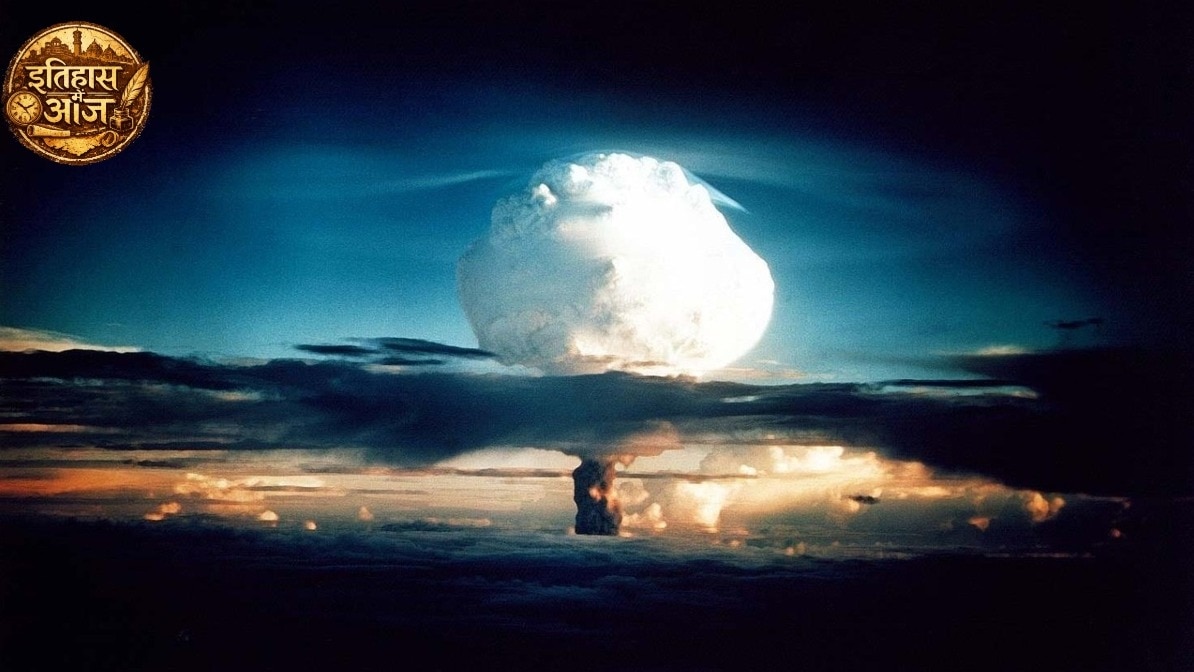
China's successful nuclear test on October 16, 1964, marked a watershed moment in global geopolitics, demonstrating that atomic weapons capability was no longer confined to four nations. The test, conducted at the Lop Nur testing ground in Xinjiang, announced China's arrival as a nuclear-armed state and signaled a significant shift in the international balance of power.
Prior to China's breakthrough, only the United States, Soviet Union, United Kingdom, and France possessed nuclear weapons. The expansion of the nuclear club immediately complicated Cold War calculations and raised concerns among regional powers, particularly in Asia. The test underscored the proliferation risks inherent in nuclear technology and prompted reassessment of security strategies among major powers.
China's entry into the nuclear club redefined security equations not only in Asia but globally. The development prompted allied nations to reconsider defense arrangements and accelerated discussions on nuclear non-proliferation measures. The test served as a reminder that preventing further nuclear weapons development would remain a central challenge for international diplomacy.
The significance of China's nuclear achievement extended beyond military capabilities. It represented technological advancement and industrial capacity, reinforcing Beijing's status as an emerging superpower. The detonation set the stage for decades of nuclear deterrence strategies and diplomatic negotiations that would shape regional and global security architecture.