Business · Singapore Bureau
China's instant noodle makers cash in on premium, healthier product shift
Leading Chinese instant noodle manufacturers are reporting improved profitability after moving away from price-based competition toward higher-margin premium offerings and technological innovation. The strategic pivot reflects changing consumer preferences across Asia's instant noodle markets.
LSN Singapore ·
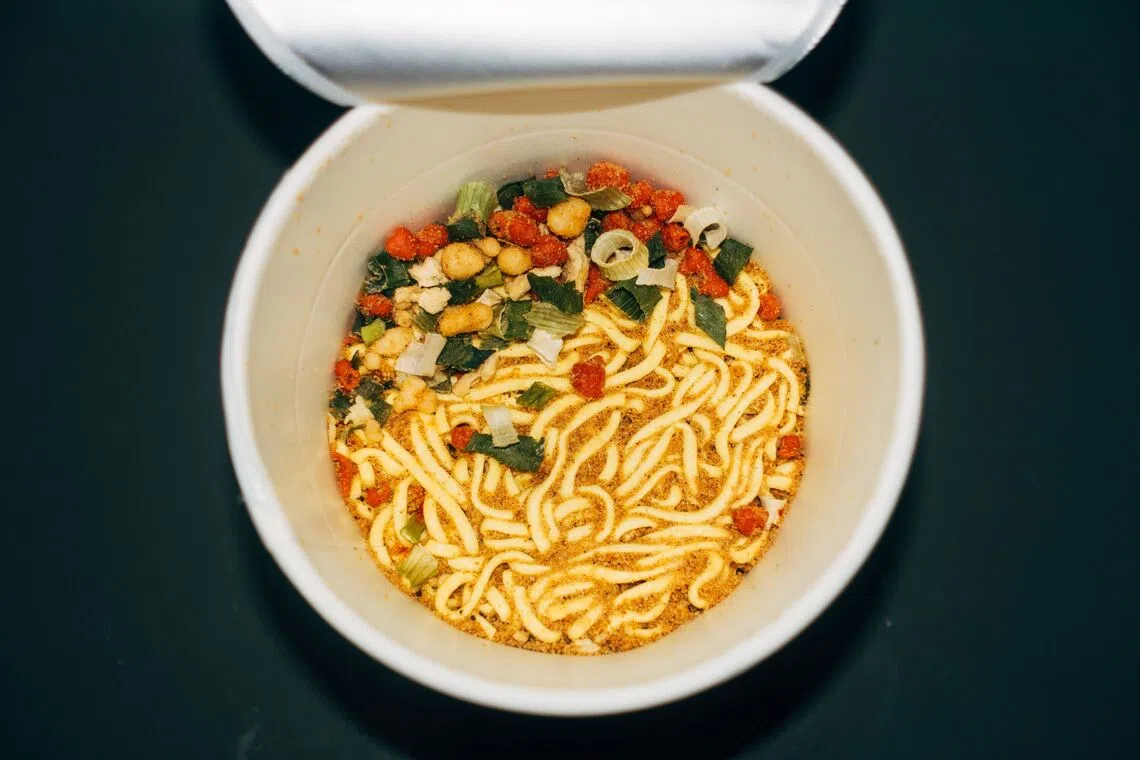
China's instant noodle industry has successfully repositioned itself away from the low-cost competition that long defined the sector, with major producers now reporting stronger earnings from premium and health-focused product lines. The shift marks a significant transformation in how leading brands compete in a market that has historically been driven by volume and price point competition.
Companies have invested in product innovation, developing instant noodle variants that address health and wellness concerns while commanding higher retail prices. These include reduced-sodium formulations, noodles made from alternative grains, and products enriched with nutritional supplements. The focus on quality and health positioning has resonated with consumers willing to pay more for perceived health benefits and improved taste profiles.
Technological advancement has complemented the premium product strategy, with manufacturers implementing automation and digital tools to improve production efficiency and product consistency. These investments have enabled companies to maintain profitability even as they shift away from volume-driven sales models.
The industry transformation reflects broader consumer trends across South and Southeast Asia, where rising incomes and increased health consciousness among younger demographics have created demand for premium food products. Analysts note that the diversification strategy has insulated major players from intense price competition while allowing them to capture higher margins in a market that remains one of the world's largest for instant noodles.
The success of this approach suggests that other sectors of Asia's food industry may benefit from similar premiumization strategies, moving beyond commodity competition toward differentiated, value-added products.