World · Singapore Bureau
China's jobless adopt 'fake commute' trend to maintain social standing
Rising unemployment in China has prompted a growing number of job seekers to stage daily commutes and office routines on social media, signalling widespread concern about losing face in society. The phenomenon underscores mounting economic pressures facing China's younger workforce.
LSN Singapore ·
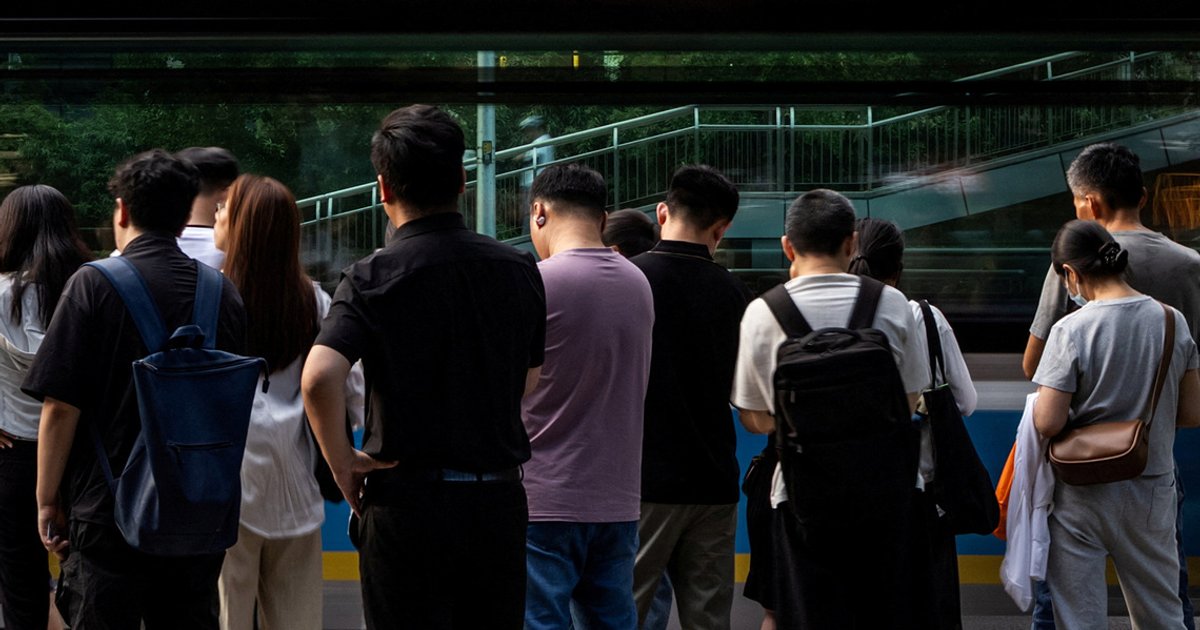
A trend gaining traction across Chinese social media platforms sees unemployed individuals documenting fake morning commutes, office settings, and work-related activities to project an appearance of employment. The practice, dubbed the 'fake commute,' reflects deep-rooted social stigma surrounding joblessness and the premium placed on maintaining status within communities and family networks.
Online engagement metrics suggest the behaviour is far more widespread than previously acknowledged, with numerous accounts and posts depicting staged work scenarios accumulating significant followings and interactions. The trend has sparked discussions among social media users about employment pressures and expectations in contemporary Chinese society.
Economists and social observers attribute the phenomenon to China's tightening labour market, particularly affecting university graduates and young professionals facing intensifying competition. Youth unemployment rates have climbed substantially in recent years, creating financial and psychological strain on job seekers navigating extended periods without formal work.
The 'fake commute' trend illustrates how social pressure and cultural norms shape individual responses to economic hardship. Rather than openly acknowledging unemployment, participants construct digital narratives of normalcy, highlighting the personal costs of China's economic slowdown beyond conventional economic indicators.
The practice also reveals generational attitudes toward employment and identity, with younger Chinese increasingly reliant on social media to construct and maintain self-image. Observers suggest the trend may persist unless labour market conditions improve and social attitudes toward unemployment shift.