World · Singapore Bureau
China's jobless maintain appearances with fake commutes
Facing mounting employment pressures and social stigma, unemployed Chinese workers are staging elaborate daily routines to conceal their jobless status from family and neighbours. The phenomenon reflects deep cultural anxieties around job security in Asia's largest economy.
LSN Singapore ·
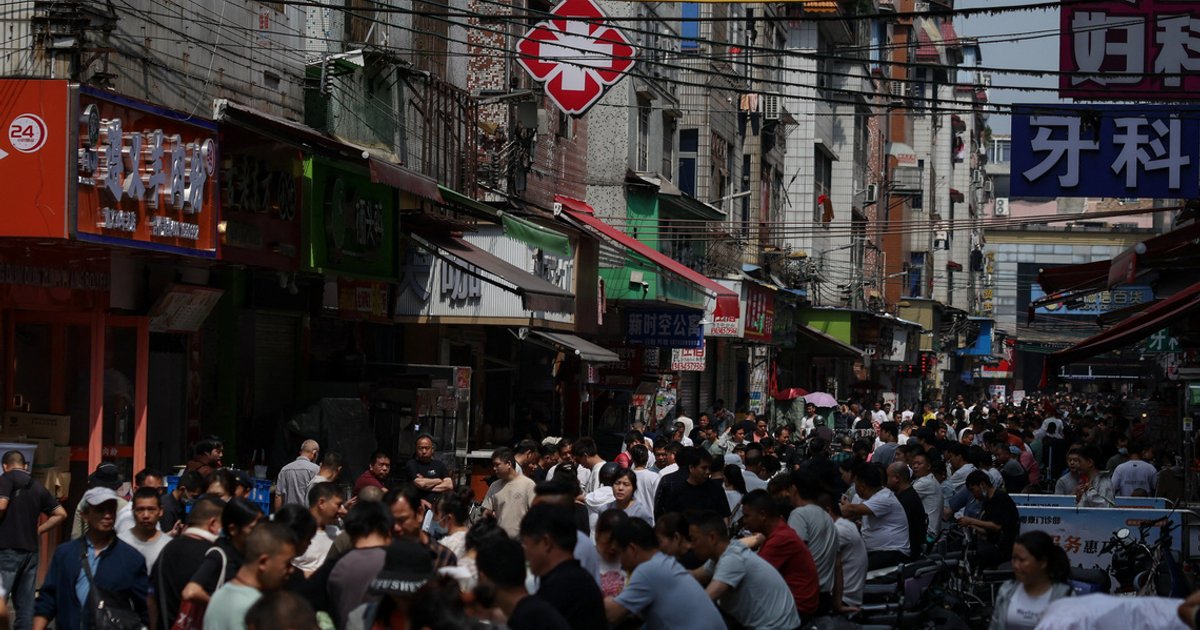
In major Chinese cities including Beijing and Hong Kong, a growing number of unemployed individuals are adopting an unusual coping strategy: leaving home each morning dressed for work, spending hours in cafes or public spaces, then returning in the evening as though completing a full day of employment. The practice underscores the social pressure and shame associated with joblessness in China, where stable employment remains central to personal identity and family honour.
The deception often unravels in small ways. For one Beijing resident known as Coco Li, a photograph of a home-cooked lunch nearly exposed the facade to family members who believed she was working in an office. Such incidents reveal the psychological toll of maintaining appearances while navigating unemployment, a challenge intensified by China's economic slowdown and competitive job market.
The trend reflects broader anxieties among Chinese workers about employment stability and social standing. Rather than openly discussing job loss with relatives or neighbours, many prefer to continue the pretence of employment, spending modest sums on daily activities outside the home. Mental health experts and social observers have begun noting the phenomenon as evidence of mounting stress within China's workforce.
The practice highlights cultural attitudes toward work and failure across Asia, where economic pressures and family expectations often leave little room for periods of unemployment without accompanying social consequences. As China's economic growth moderates, such coping mechanisms may become increasingly common among affected workers.