World · World News Bureau
China's leader consolidates power through isolation of potential rivals
Beijing's top leader has systematically distanced himself from potential challengers within the Communist Party hierarchy, creating an unprecedented concentration of authority at the apex of Chinese politics. The strategy reflects both personal preference and calculated political maneuvering to entrench control.
LSN World News ·
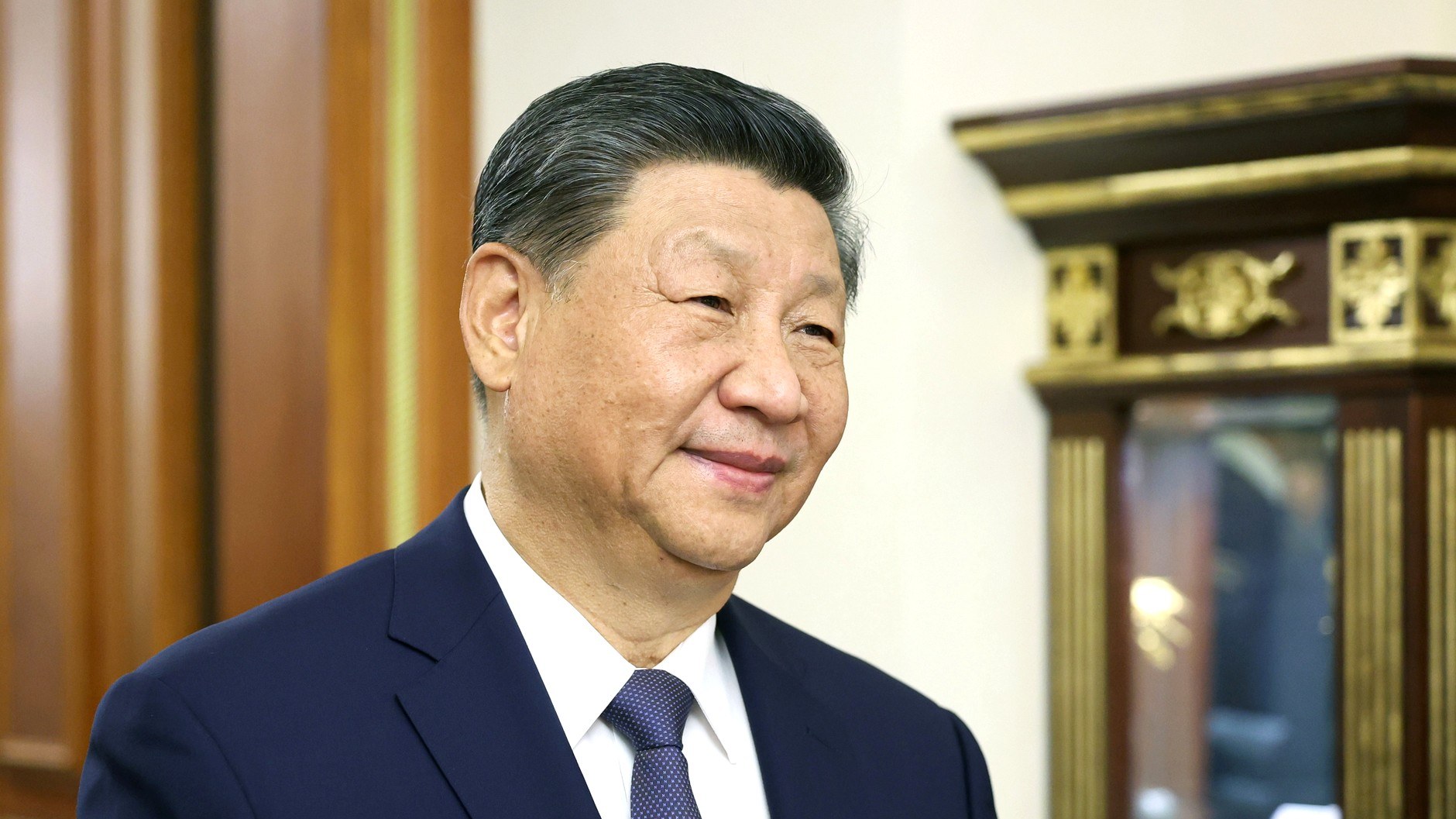
China's paramount leader has engineered a political structure that keeps senior officials at arm's length, limiting opportunities for rival power centers to develop within the Communist Party apparatus. This approach represents a significant departure from collective leadership models that characterized much of the post-Mao era, when power was typically distributed among a small group of senior figures.
The isolation strategy serves multiple purposes within Chinese politics. By limiting direct access and meaningful delegation to potential successors, the leader ensures that no subordinate can accumulate the political capital or constituencies necessary to challenge central authority. This mirrors historical patterns of personalistic rule while utilizing modern organizational mechanisms to prevent the emergence of competing power networks.
Observers of Chinese politics note that this concentration stands in contrast to earlier transition arrangements, when senior leaders would groom designated successors and maintain institutionalized succession planning. The current model instead emphasizes loyalty and compliance, with key positions filled by officials whose primary qualification is their demonstrated deference to the center.
The structure carries implications for Beijing's governance effectiveness and long-term political stability. While centralizing decision-making can accelerate policy implementation, it also eliminates institutional checks and potentially limits the flow of candid information to top decision-makers. Analysts suggest the approach reflects confidence in personal political mastery, though questions remain about sustainability beyond the current leadership tenure.
Photo: Chinese President Xi Jinping during talks with Russian President Vladimir Putin on the sidelines of the BRICS summit in Kazan, October 2024. Presidential Executive Office of Russia (kremlin.ru) via Wikimedia Commons (CC BY 4.0).