Sport · Singapore Bureau
China's matcha boom transforms rural region, though Japan's cachet endures
A surge in global demand for matcha is transforming a Chinese region into a production powerhouse, drawing migrant workers back home. Yet the green tea powder remains synonymous with Japan, posing a branding challenge for Chinese producers.
LSN Singapore ·
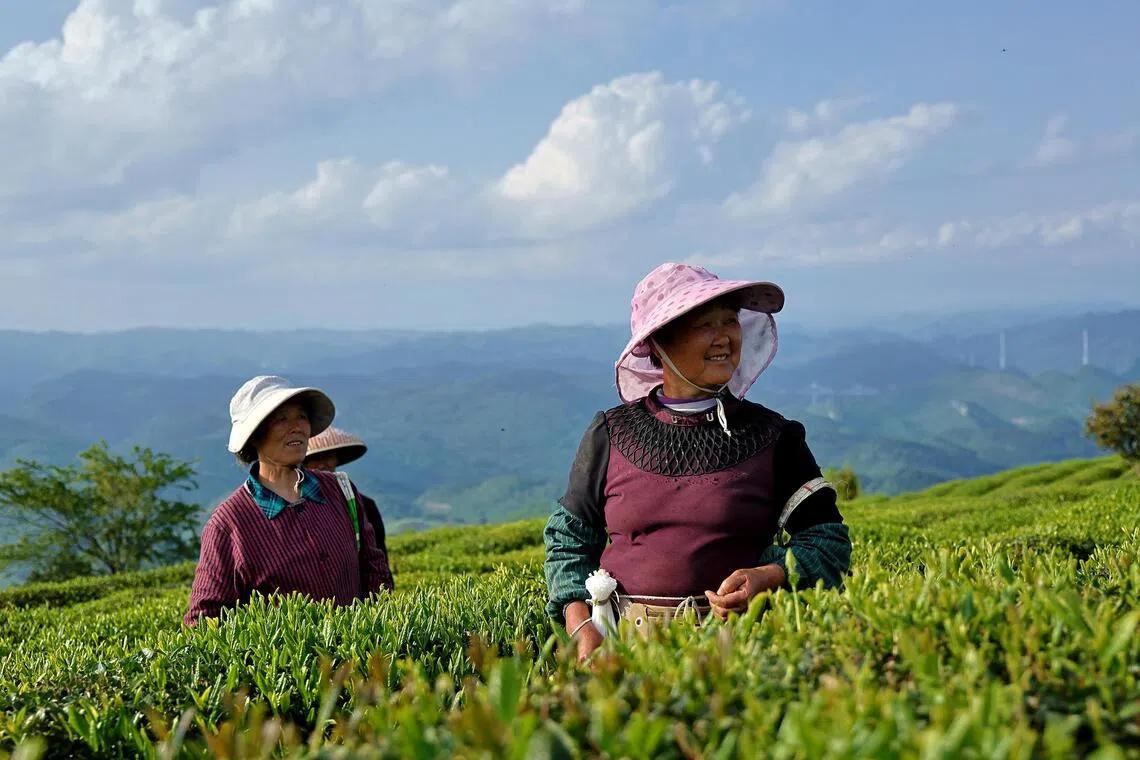
China is ramping up matcha production to capitalise on surging international demand for the finely ground green tea powder, with one rural region emerging as a major hub for cultivation and processing. The expansion has revitalised local economies and reversed migration patterns, as workers who previously left for urban centres return to participate in what has become a lucrative industry.
The shift reflects broader global appetite for matcha, driven by its use in beverages, confectionery and wellness products across cafes and retail stores worldwide. Chinese producers have invested heavily in scaling up output, modernising production techniques, and establishing supply chains to compete in international markets.
However, the push faces a significant obstacle: Japan's decades-long association with matcha production has established deep brand recognition and premium positioning globally. Japanese matcha commands higher prices and enjoys established distribution networks and cultural cachet that Chinese producers struggle to replicate despite competitive advantages in cost and capacity.
Industry observers note that while Chinese matcha quality continues to improve, building international trust and brand equity requires sustained investment in marketing, quality assurance, and supply chain transparency. The sector's growth demonstrates China's capacity to scale agricultural production rapidly, yet highlights the enduring value of established brand heritage and consumer perception in premium food markets.