Business · India Bureau
China's New Export Wave Poses Fresh Economic Challenge to Asia
A fresh surge in Chinese exports is reshaping regional trade dynamics in ways markedly different from the manufacturing-led boom of the 2000s. The shift is forcing policymakers across Asia, including India, to reassess their economic strategies.
LSN India ·
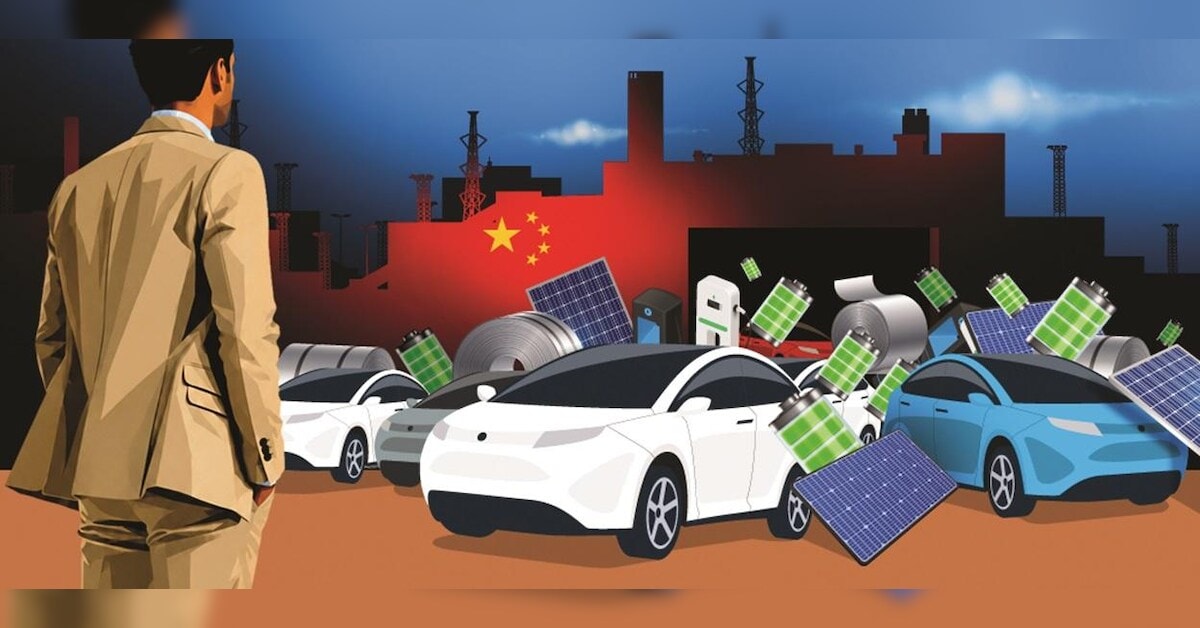
China's current export offensive represents a significant departure from its earlier trade expansion that dominated the previous two decades. While the 2000s surge was primarily driven by labor-intensive manufacturing and basic industrial goods, today's wave encompasses sophisticated technologies, green energy products, and advanced electronics—sectors where developing economies are increasingly competing for market share and investment.
The composition of Chinese exports has undergone a fundamental transformation. Rather than relying solely on cheap labor advantages, Beijing has invested heavily in upgrading its industrial base, moving into high-value sectors including electric vehicles, renewable energy components, and semiconductors. This evolution means Chinese competition now extends into domains where India and other Southeast Asian nations have been attempting to establish technological footholds.
The timing of this export surge coincides with global supply chain realignment following pandemic disruptions and geopolitical tensions. Chinese manufacturers have capitalized on production efficiencies and scale advantages to capture market share at a moment when alternative suppliers are still ramping up operations. For India specifically, this intensifies pressure on its own manufacturing ambitions under initiatives like "Make in India" and the broader effort to position itself as a counterbalance to Chinese economic dominance.
Economists note that the challenge extends beyond traditional trade metrics. Chinese exports now come embedded with sophisticated logistics networks, competitive financing arrangements, and integrated technology ecosystems that make it difficult for competitors to offer equivalent value propositions. Regional economies must therefore pursue differentiation strategies rather than attempting direct competition in manufacturing volume alone.