World · India Bureau
China's planted forests losing carbon absorption capacity, study warns
A new study reveals that approximately 80 per cent of China's artificially planted forests have experienced declining carbon uptake in recent years, raising concerns about their effectiveness in climate mitigation efforts.
LSN India ·
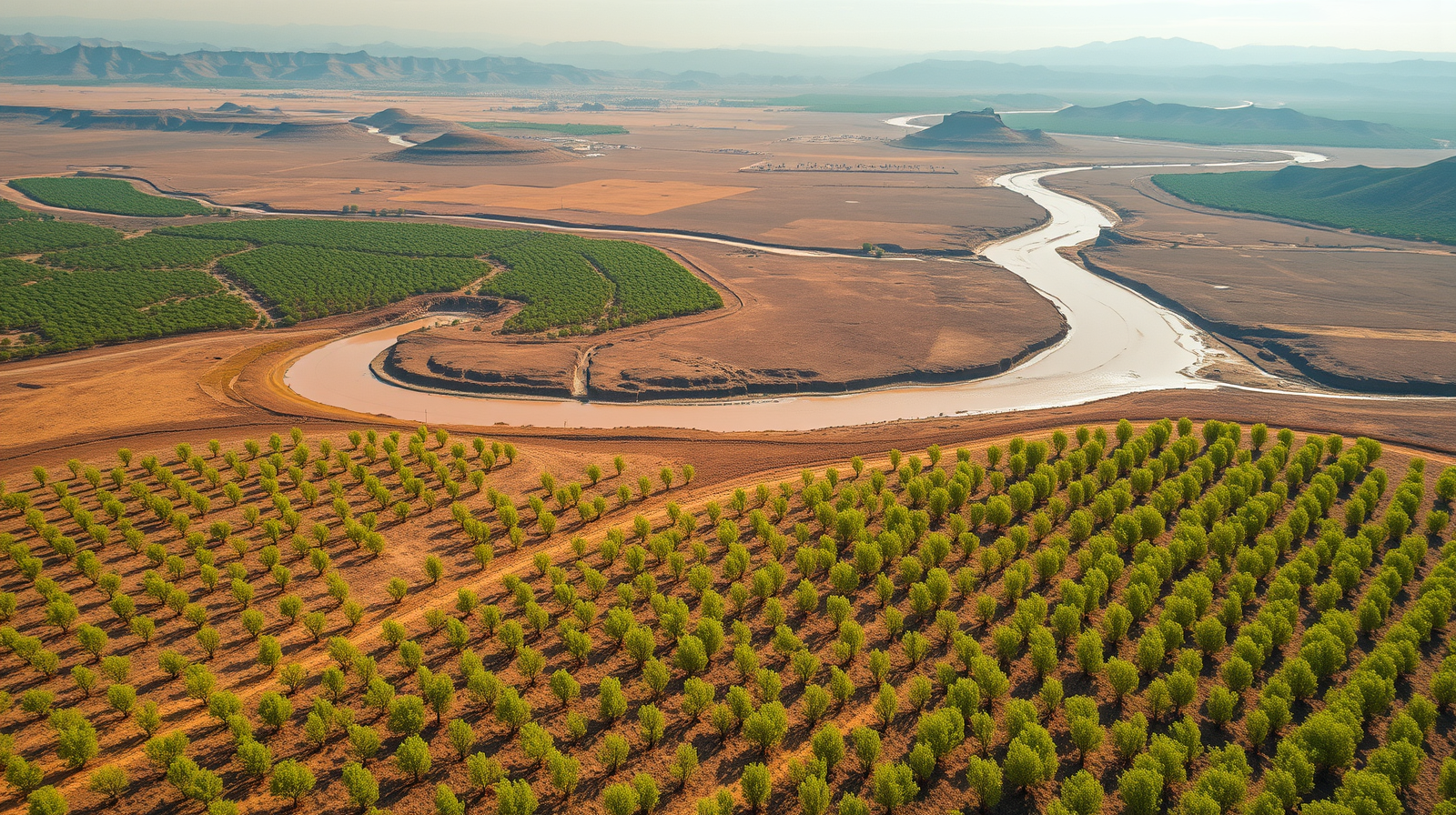
Research into China's vast reforestation programmes has uncovered a significant weakness in their climate benefits, with four-fifths of planted forest areas showing reduced capacity to absorb carbon dioxide from the atmosphere.
The findings suggest that despite decades of investment in afforestation initiatives—among the world's most ambitious—the carbon sequestration performance of these forests has deteriorated over time. The decline raises questions about the long-term sustainability of relying on planted forests as a primary mechanism for offsetting greenhouse gas emissions.
Experts attribute the reduced carbon uptake to several potential factors, including forest maturation, water stress, soil degradation, and management practices that may not be optimised for maximum carbon absorption. The study underscores the complexity of large-scale reforestation efforts and the need for adaptive forest management strategies.
The research carries implications beyond China's borders, as many nations have adopted similar afforestation strategies to meet international climate commitments. The findings suggest that policymakers must carefully monitor forest health and carbon performance rather than assuming planted forests will deliver sustained climate benefits indefinitely.
China's commitment to afforestation remains substantial, with ongoing programmes aimed at expanding green cover. However, the study indicates that future efforts must incorporate improved monitoring systems and science-based management approaches to ensure these investments deliver measurable climate outcomes.