Politics · Singapore Bureau
China's property downturn deepens fiscal squeeze on local authorities
Chinese municipal governments face mounting budgetary pressures as collapsing property markets erode land sale revenues that have traditionally bankrolled local infrastructure and services. The structural shift threatens to destabilize China's sub-national fiscal system.
LSN Singapore ·
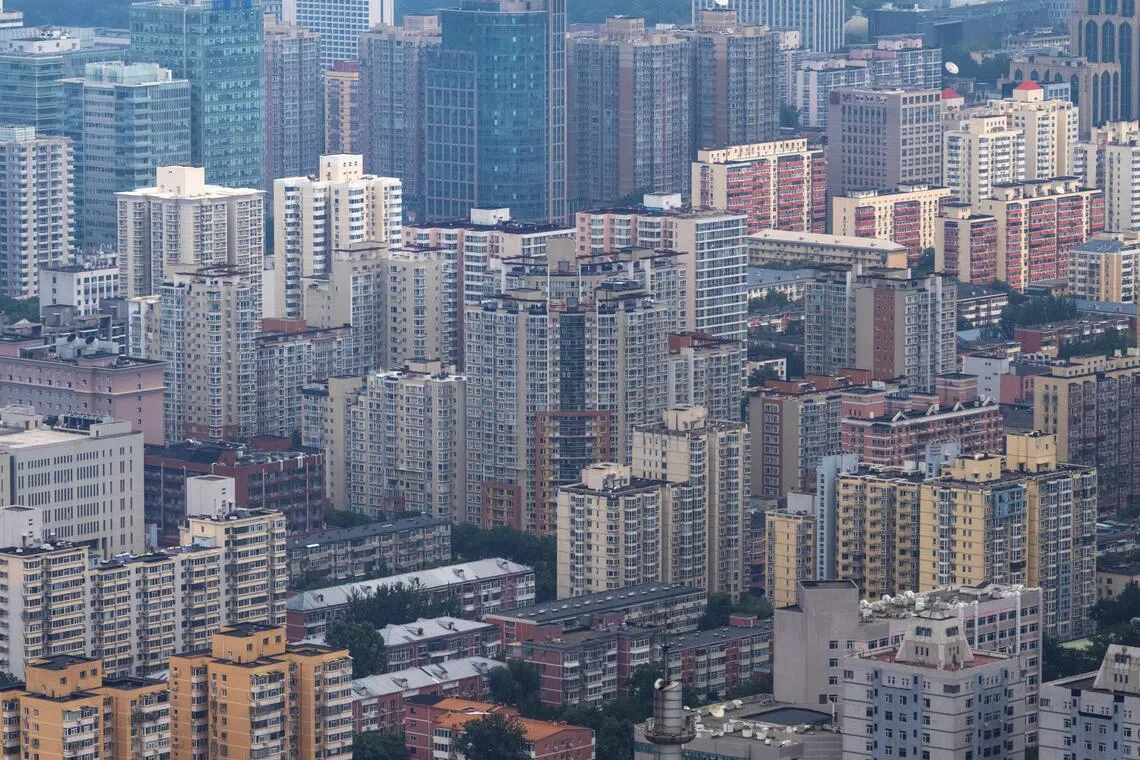
China's local governments are grappling with a significant revenue crisis as declining property markets undermine land sales—historically their most dependable funding source. For decades, municipalities have relied heavily on proceeds from land transfers to finance schools, hospitals, transportation networks and other public services, making the sector critical to regional economic management.
The property sector's prolonged contraction has dramatically reduced land transfer values across major cities, forcing local administrations to confront substantial budget shortfalls. This revenue collapse occurs as demand for new residential and commercial development moderates, compressing the financial cushion that has allowed local governments to operate with considerable autonomy from central authorities.
The fiscal strain extends beyond property-related revenues. Lower land values translate into reduced municipal tax bases, while depressed economic activity further constrains other income streams. Local officials now face difficult choices between cutting expenditures, raising alternative taxes, or seeking greater financial support from Beijing—each option carrying political and economic consequences.
China's central government has begun implementing property sector reforms aimed at stabilizing markets, but analysts warn that restoring land sale revenues to previous levels remains unlikely in the near term. The structural realignment may necessitate fundamental reforms to how local governments finance operations, potentially requiring greater reliance on property taxes and other revenue sources to replace land sales income.