Business · Singapore Bureau
China's property sector struggles persist despite Evergrande penalties
The sentencing of Evergrande's founder has done little to ease the structural challenges facing China's real estate industry, which continues to weigh on economic growth. The sector's difficulties underscore broader vulnerabilities in the world's second-largest economy.
LSN Singapore ·
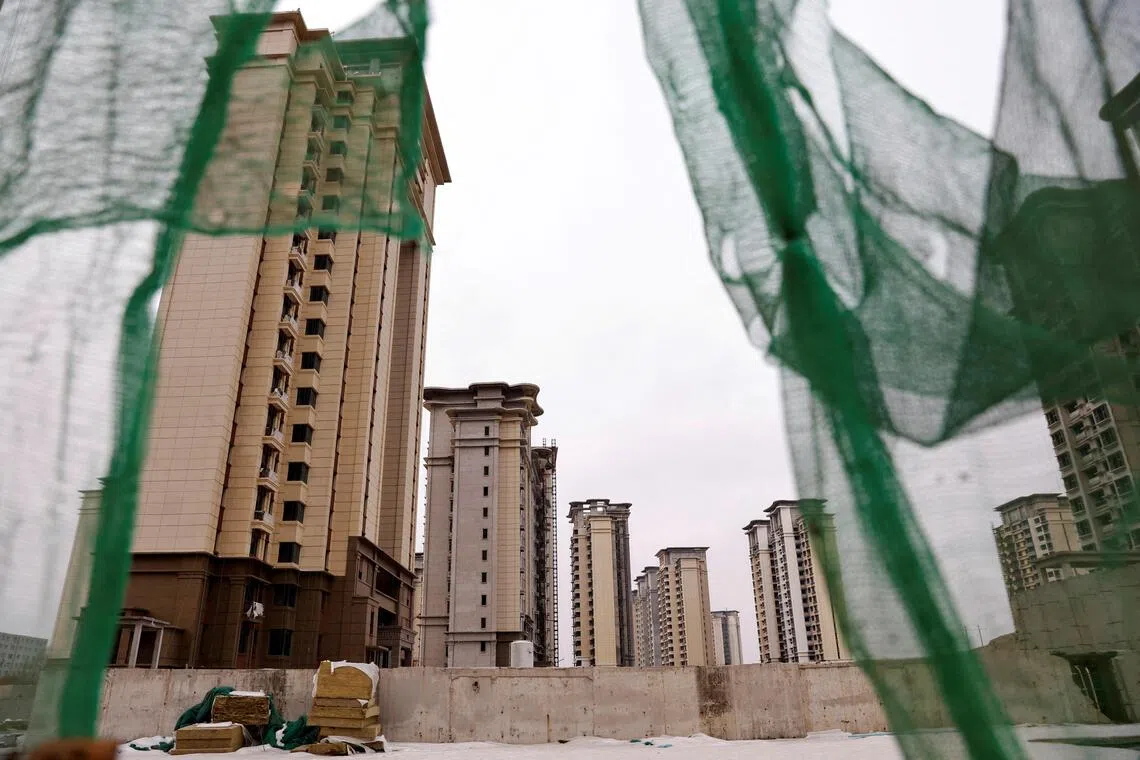
China's property crisis shows no signs of abating despite recent legal action against Evergrande Group, the sprawling conglomerate whose near-collapse symbolized the sector's wider malaise. The sentencing of company founder Hui Ka Yan represents a high-profile response to years of aggressive expansion and mounting debt that destabilized the industry, yet market fundamentals remain under pressure.
The real estate sector's contraction has emerged as a significant headwind for China's economic recovery. Property development, construction, and related services historically contributed substantially to gross domestic product growth, employment, and consumer wealth through home ownership. The prolonged downturn has rippled through supply chains and financial markets, constraining household spending and investment.
Beyond Evergrande, numerous developers continue grappling with debt restructuring, project completions, and buyer confidence. New home sales remain depressed, and construction activity has slowed markedly across major cities. The government has introduced various stimulus measures and policy adjustments, yet these efforts have struggled to reverse the sector's downward momentum.
Analysts suggest that stabilizing China's property market will require sustained policy support and structural reforms to address underlying imbalances in the sector. The challenges facing real estate underscore broader economic headwinds confronting Beijing as it pursues sustainable growth amid global uncertainties and shifting consumer behavior.