Business · Malaysia Bureau
China's retail sales momentum slows as domestic consumption remains weak
China's retail sector continued to struggle in August, signalling persistent weakness in domestic spending that threatens to undermine broader economic growth. The slowdown persists despite robust export performance that has propped up overall economic activity.
LSN Malaysia ·
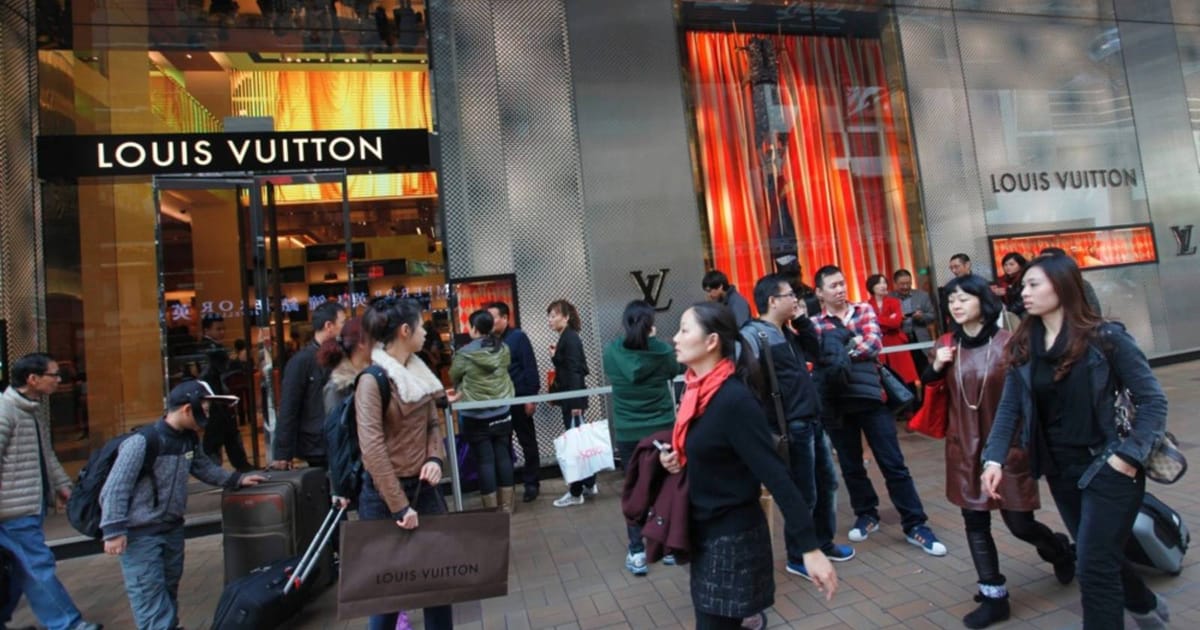
China's retail sales growth decelerated further in August, reflecting ongoing challenges in stimulating domestic consumer spending as households remain cautious about expenditure. The weakness in retail activity underscores the structural imbalances in Asia's largest economy, where export-driven growth has failed to translate into stronger internal demand.
The sluggish performance in the retail sector has become a defining feature of China's post-pandemic recovery. Unlike the swift rebound seen in manufacturing and exports, consumer spending has remained subdued, with Chinese households preferring to save rather than spend despite government efforts to encourage consumption through stimulus measures.
Analysts have attributed the persistent weakness to multiple factors, including high youth unemployment, property market uncertainty, and diminished consumer confidence. These headwinds have constrained discretionary spending even as income levels have recovered in many urban areas.
The divergence between China's export strength and domestic consumption weakness carries implications for regional economies, including Malaysia, which rely on Chinese demand for raw materials and components. A prolonged period of subdued Chinese consumption could dampen regional growth prospects and limit the engine effect typically provided by Asia's largest economy.