World · Singapore Bureau
China's slowing oil demand puts a brake on global emissions growth
A sharp contraction in China's oil consumption during the second quarter of 2026 is providing unexpected relief to global climate efforts. The decline underscores shifting energy patterns in the world's second-largest economy.
LSN Singapore ·
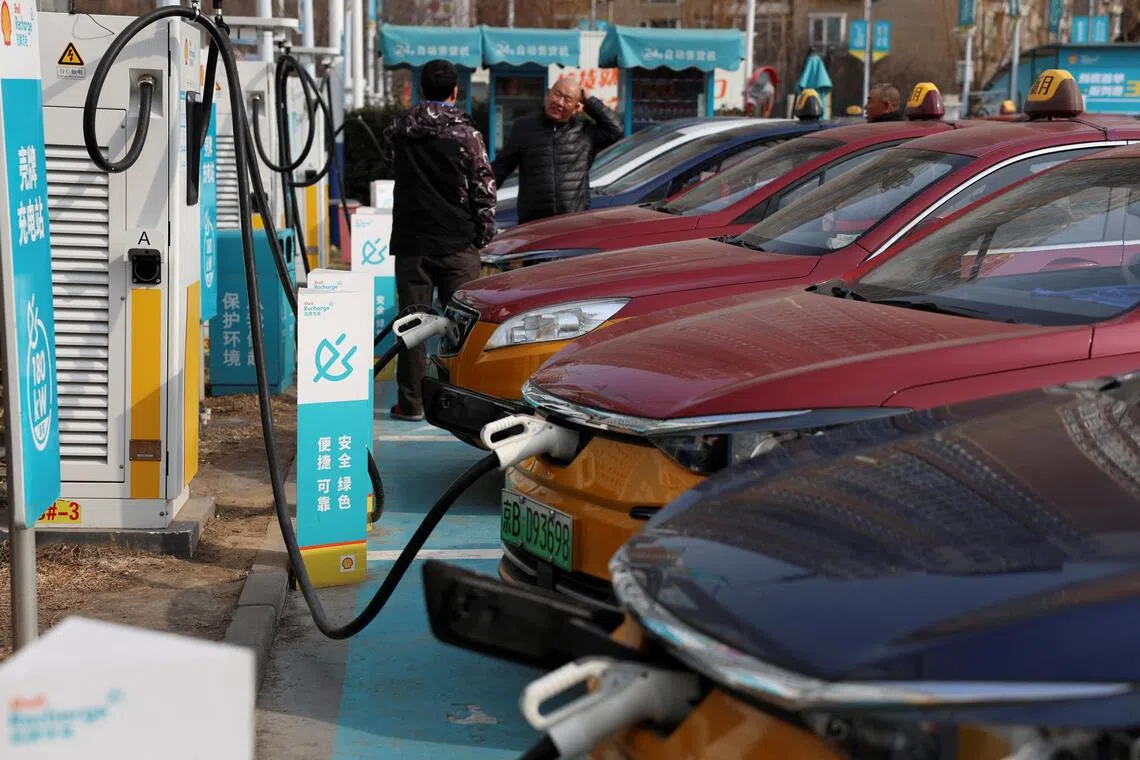
China's oil consumption tumbled 9 per cent year-on-year in the second quarter of 2026, marking a significant retreat in demand from the region's industrial powerhouse. The pullback represents one of the steepest declines in recent years and carries implications for global energy markets and climate trajectories.
The contraction reflects a combination of factors weighing on China's economy, including slowing industrial activity and a pivot towards alternative energy sources. As Beijing intensifies its transition to renewable energy and electric vehicles, traditional petroleum demand has faced mounting headwinds.
For regional economies like Singapore that depend on regional trade flows and energy markets, the shift in Chinese consumption patterns carries both challenges and opportunities. Reduced oil demand typically moderates global crude prices, potentially benefiting importers, though it also signals softer economic momentum across Asia.
The emissions impact of lower oil consumption cannot be overstated. China accounts for roughly one-fifth of global oil demand, making fluctuations in its consumption patterns a key variable in worldwide carbon trajectories. Energy analysts will be watching closely to determine whether this decline represents a structural shift or a temporary economic slowdown.