World · India Bureau
China's solar capacity surpasses coal in historic energy shift
China has achieved a landmark transition in its power generation infrastructure, with installed solar capacity now exceeding coal for the first time. The milestone underscores Beijing's accelerating renewable energy push and raises questions about India's clean energy trajectory.
LSN India ·
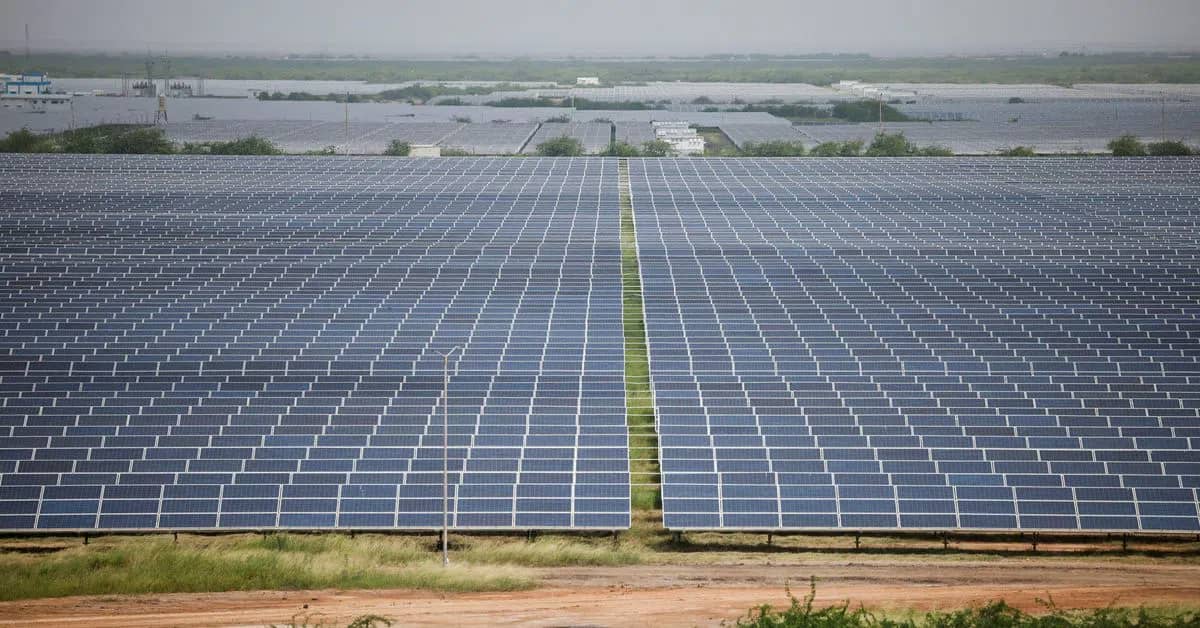
China's installed solar capacity has overtaken coal capacity in a significant turning point for the world's second-largest economy, reflecting the rapid pace of its renewable energy expansion. The shift comes as coal's share of electricity generation dipped below 50 percent during the first half of 2026, signaling a fundamental reordering of China's power sector away from fossil fuels.
The achievement represents a culmination of years of sustained investment in solar infrastructure across the country. China has consistently deployed solar panels at scale, supported by government incentives and manufacturing capacity that has made renewable installations increasingly cost-competitive relative to traditional coal-fired power plants.
The development carries implications for India, Asia's third-largest economy and a major coal producer and consumer. While India has set ambitious renewable energy targets—aiming for 500 gigawatts of non-fossil fuel capacity by 2030—coal continues to dominate its electricity generation mix, accounting for roughly two-thirds of power output.
Energy analysts note that India's renewable energy capacity has grown substantially in recent years, but the country remains heavily dependent on coal for baseload power. Experts suggest India faces distinct challenges in matching China's renewable transition, including financing constraints, grid integration hurdles, and the economic burden of managing coal-dependent regions and communities.