Business · Malaysia Bureau
China's trade surplus surges past US$1 trillion on AI-driven exports
Beijing's record trade surplus underscores the economy's growing dependence on overseas demand as domestic consumption remains weak and the property sector struggles to recover. The figure highlights structural challenges facing the world's second-largest economy.
LSN Malaysia ·
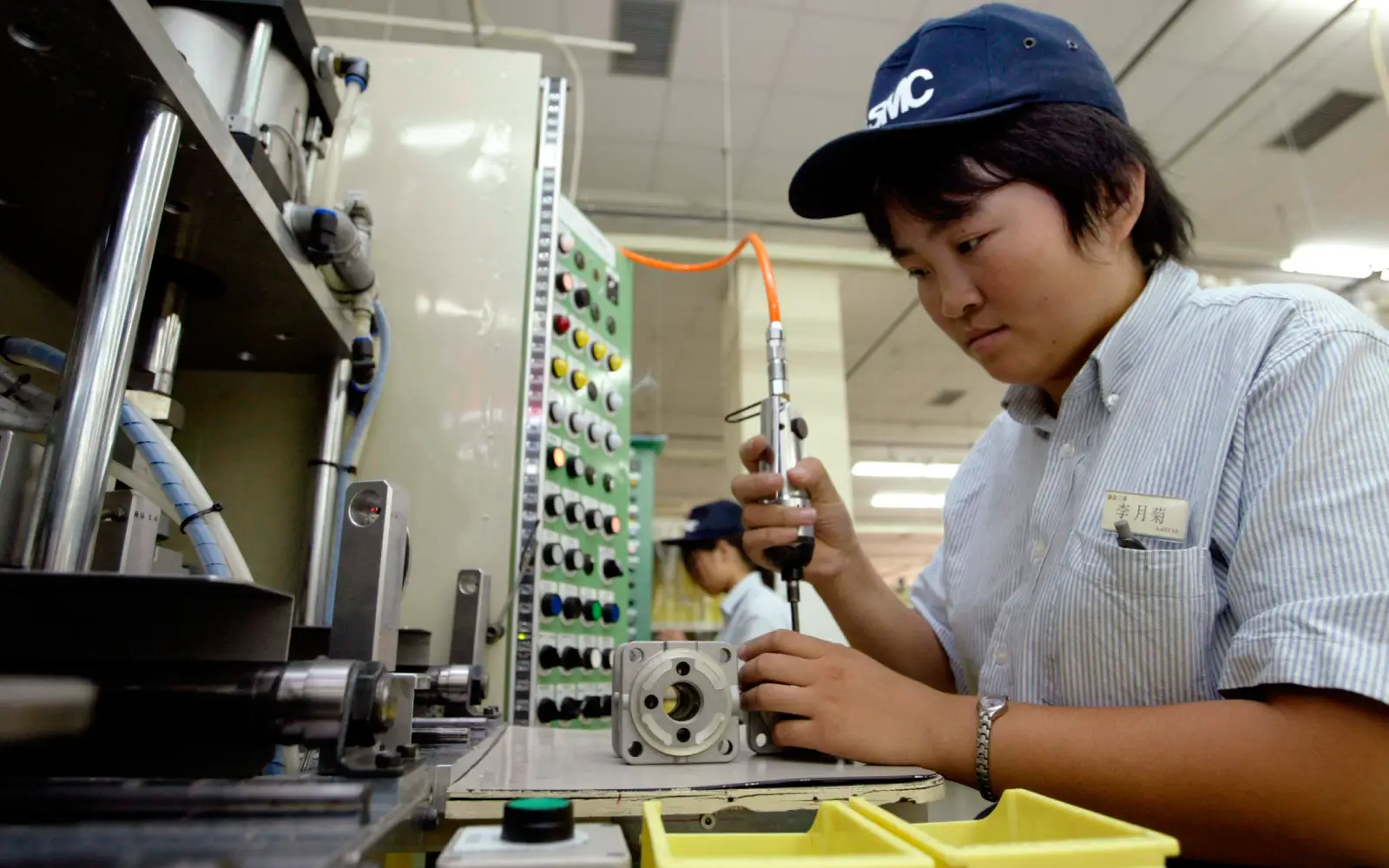
China's trade surplus has exceeded US$1 trillion, a milestone that reflects the country's dominant position in global commerce but also masks deepening economic vulnerabilities at home.
The surge has been powered by surging exports of artificial intelligence-related products and semiconductors, capitalising on global demand for technology infrastructure. Chinese manufacturers have ramped up output of chips, electronics, and AI-enabled devices, establishing commanding market shares in these high-value sectors.
However, economists warn the record surplus masks structural imbalances within the Chinese economy. Domestic consumption growth remains subdued, with Chinese households showing reluctance to spend amid uncertain employment prospects and declining property values. The real estate sector, which once anchored the economy, continues to face headwinds as major developers struggle with debt.
The reliance on external demand to drive economic growth underscores Beijing's challenge in rebalancing its economy toward domestic-led expansion. Policymakers have long signalled intentions to boost consumer spending and reduce trade imbalances, yet progress has been limited. Trade tensions with major partners, including the United States and European Union, add further complexity to China's export-dependent growth model.
For regional economies like Malaysia, China's export surge presents mixed implications—increased competition in global markets but also potential benefits through supply chain integration and technology partnerships.