World · India Bureau
China's tree-planting drive risks depleting groundwater reserves
Massive reforestation efforts aimed at combating desertification in China are raising concerns about unsustainable water consumption in already water-stressed regions. Environmental experts warn the large-scale programmes may be exacerbating water scarcity rather than providing long-term ecological benefits.
LSN India ·
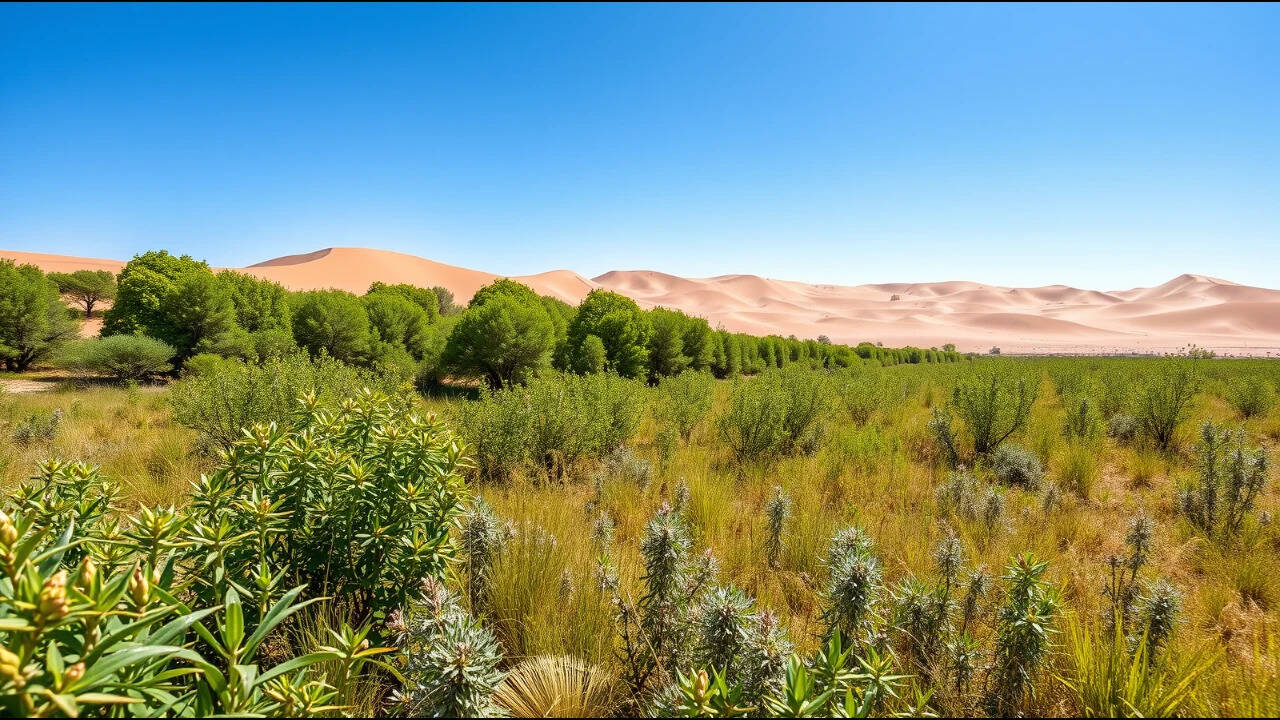
China's ambitious tree-planting initiatives, designed to halt the expansion of deserts and combat environmental degradation, are increasingly scrutinized for their unintended consequences on regional water supplies. The programmes, which have planted billions of trees across arid and semi-arid regions over the past two decades, rely heavily on groundwater irrigation in areas where surface water is scarce.
Hydrogeologists and environmental scientists have raised alarms that the intensive irrigation required to sustain newly planted forests is drawing down aquifers at unsustainable rates. Regions already grappling with water scarcity are experiencing accelerated depletion of underground water reserves, creating a paradox where efforts to restore land are simultaneously threatening water security.
The concern is particularly acute in northwestern China, where several major reforestation projects depend on tapping deep aquifers that took millennia to accumulate. Experts suggest that without careful reassessment of tree-planting strategies—including selection of species adapted to local rainfall patterns and reduced irrigation requirements—the environmental costs may ultimately outweigh conservation gains.
China's water resources ministry has begun reviewing implementation of large-scale afforestation programmes, considering alternatives such as native vegetation restoration and improved water management techniques. The situation underscores a broader challenge facing developing nations: balancing immediate environmental restoration goals with long-term sustainability of finite water resources.