World · World News Bureau
China's tributes to former leaders reflect shifting political priorities
Recent commemorations honoring former Chinese leaders Zhu Rongji and Jiang Zemin have sparked discussions about Beijing's economic direction and political legacy. The tributes underscore ongoing debates within China's leadership about market reforms and governance approaches.
LSN World News ·
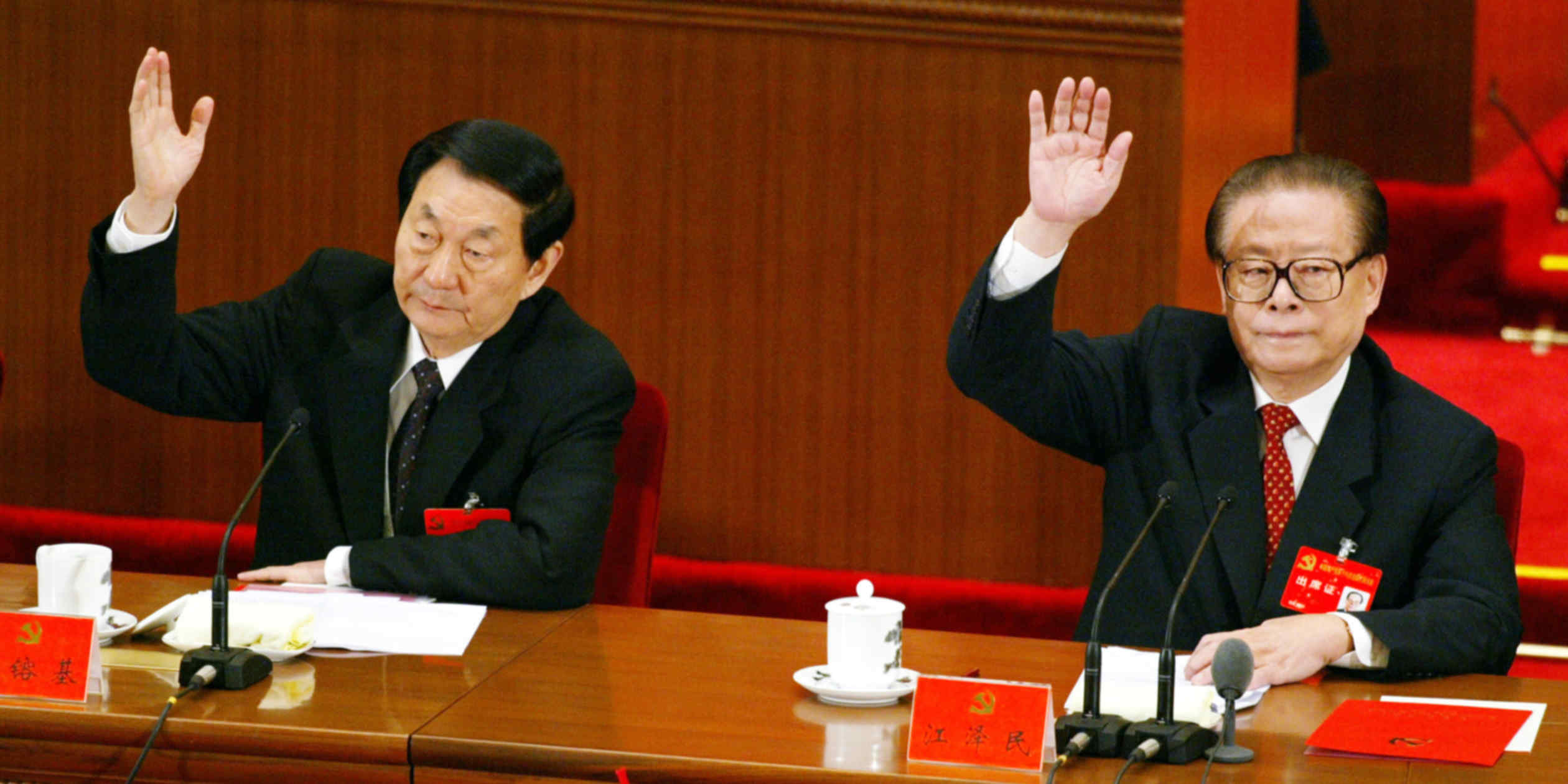
China has issued formal recognition of former Premier Zhu Rongji and ex-President Jiang Zemin, reigniting scrutiny of their respective tenures and policy legacies during transformative decades for the world's second-largest economy. The commemorations signal potential reconsideration of market-oriented economic strategies that characterized their leadership eras, particularly as China navigates contemporary challenges in growth and development.
Zhu Rongji, who served as premier from 1998 to 2003, is widely credited with implementing far-reaching economic restructuring and financial sector reforms that modernized China's state enterprises and banking systems. His tenure coincided with China's accelerated integration into global markets and the country's accession to the World Trade Organization in 2001, which fundamentally reshaped domestic economic structures.
Jiang Zemin, who led China from 1989 until 2004 as Communist Party general secretary and later as president, oversaw the nation's initial market liberalization phases and foreign investment expansion. His era witnessed unprecedented economic growth rates and China's initial emergence as a global economic actor, establishing frameworks that persist in contemporary policy architecture.
The renewed attention to these figures comes as China's current leadership confronts persistent economic pressures, including slower growth trajectories, youth unemployment, and questions regarding the sustainability of existing development models. Analysts observe that public reassessment of reform-era leaders may indicate receptiveness within policy circles to revisiting pragmatic economic approaches that prioritized measurable growth outcomes.
Chinese state media coverage of the tributes has emphasized continuity with successful policies while avoiding explicit criticisms of intervening administrations, maintaining the party's narrative of consistent developmental progress. The selective historical framing reflects broader internal discussions about balancing ideological priorities with economic necessities as China charts its trajectory through the coming decade.