Technology · India Bureau
China's tunnel technology advances pose questions for Indian border infrastructure
As Beijing develops sophisticated tunnel-boring capabilities, strategic analysts are assessing potential implications for India's ambitious border infrastructure projects. The technology could shift dynamics in high-altitude terrain construction along disputed frontiers.
LSN India ·
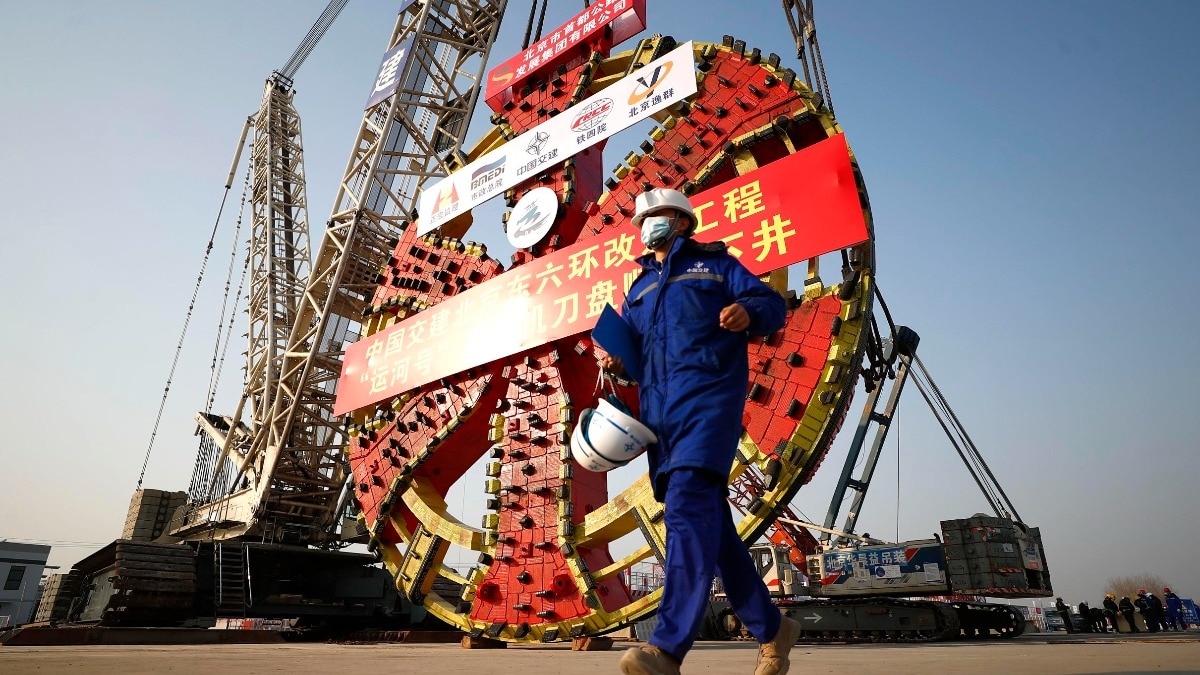
China's advances in tunnel-boring machine (TBM) technology have drawn attention from defence and infrastructure specialists monitoring regional geopolitical developments. Chinese firms have made significant strides in deep-earth excavation capabilities, which have applications ranging from civilian infrastructure to military installations in challenging mountainous terrain.
India has undertaken substantial border infrastructure initiatives, particularly in frontier regions where road connectivity and transport networks remain critical strategic priorities. These projects often involve difficult terrain at high altitudes, where traditional construction methods face considerable obstacles. The pace and scale of India's border development programme underscore the importance of efficient tunneling and excavation technologies.
Analysts suggest that technological asymmetries in construction capabilities could influence the pace at which nations can develop infrastructure in border areas. China's accumulated expertise in large-scale tunnel projects, developed through domestic railway and hydroelectric initiatives, has positioned Beijing with considerable technical advantages. Such capabilities could theoretically accelerate Chinese infrastructure development in border regions and high-altitude zones.
India's infrastructure push along its borders remains focused on improving connectivity and operational capabilities in frontier areas. Military and civilian planners are evaluating various technological solutions to maintain competitive development timelines. Officials have emphasized the strategic importance of connecting remote border communities while strengthening transportation networks in sensitive regions.
The broader technological gap in specialized construction equipment reflects wider patterns of industrial capability differences between major Asian powers. India's reliance on imported or licensed technologies for major infrastructure projects contrasts with China's vertically integrated construction machinery sector. These structural differences may influence the trajectory and timeline of border development initiatives across the region.