World · World News Bureau
China's Xi charts regional power realignment in Shenzhen summit
Chinese President Xi Jinping is consolidating Beijing's strategic influence across Asia through high-level diplomatic engagement in the southern tech hub, signaling a reshaping of regional power dynamics reminiscent of Cold War-era great power negotiations.
LSN World News ·
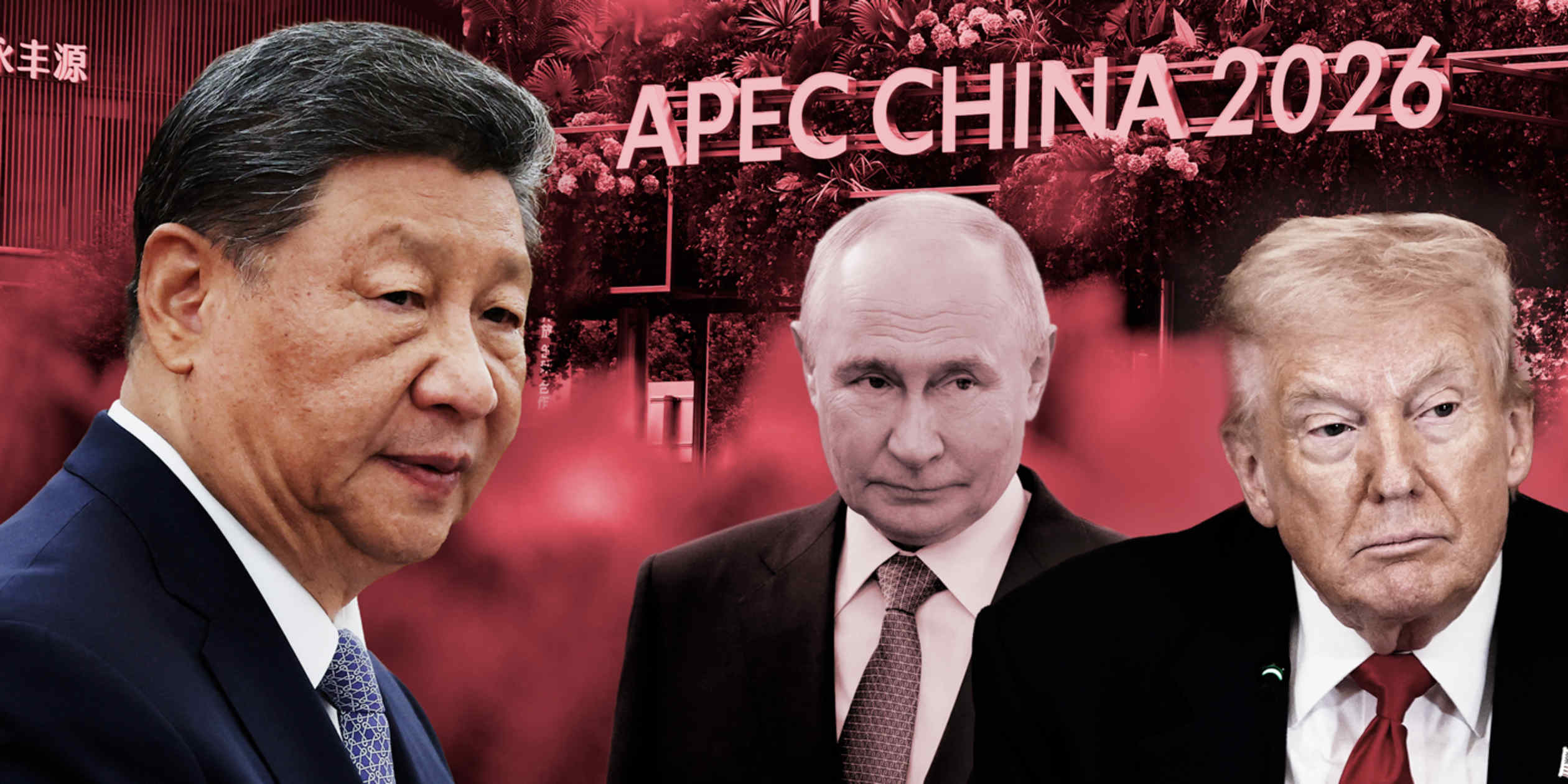
President Xi Jinping's recent activities in Shenzhen reflect an intensifying effort to solidify China's position as the dominant regional power broker in Asia. The gathering of senior officials and international counterparts in the tech-centric city underscores Beijing's strategy of leveraging economic hubs as platforms for geopolitical influence, moving beyond traditional capital-based diplomacy.
The symbolism of hosting such high-level engagements in Shenzhen—a city emblematic of China's economic rise—carries particular weight. The location signals Beijing's confidence in projecting power from centers of innovation and commerce rather than solely through institutional channels, reshaping how regional relationships are negotiated and cemented.
Observers note the parallels to historical moments when great powers redefined spheres of influence, though the contemporary context involves multilayered economic interdependencies and technological considerations absent from earlier eras. China's approach combines economic incentives, infrastructure investments, and security partnerships to consolidate alignment among regional actors.
The initiative reflects Beijing's broader strategy to position itself as the indispensable center of Asian geopolitics, particularly as it navigates competing interests from traditional powers and manages relationships across the Indo-Pacific region. The outcome of such diplomatic efforts will likely shape regional alignments for years to come.