World · World News Bureau
China seeks Gulf influence through economic ties, not military dominance
Beijing is pursuing a strategy to expand its regional leverage in the Middle East without replicating Washington's military footprint, analysts suggest. The approach relies on trade, investment and diplomatic engagement rather than strategic overreach.
LSN World News ·
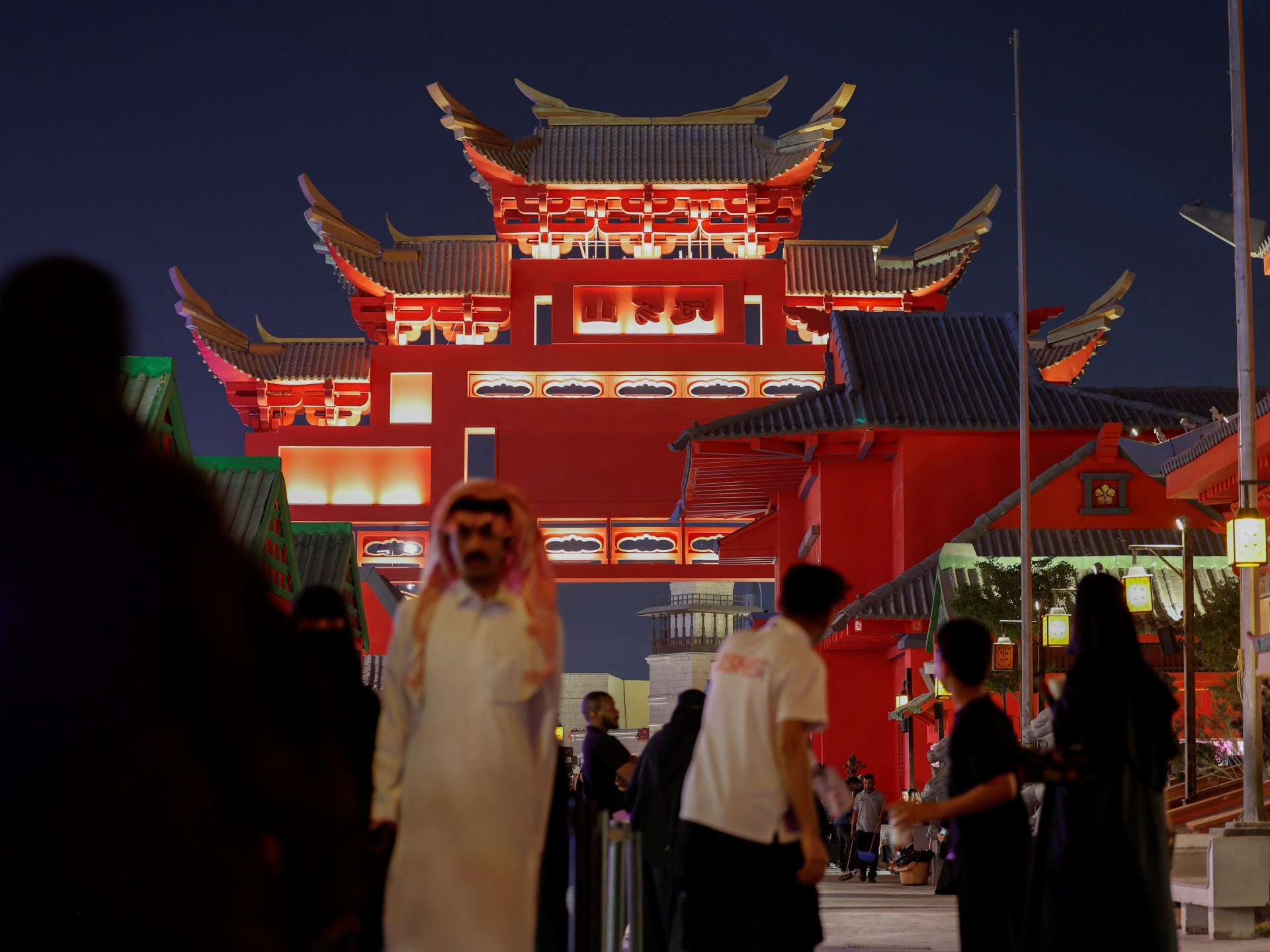
China is positioning itself as a major player in Middle Eastern affairs through economic and diplomatic channels rather than attempting to supplant the United States as the region's military guarantor, according to regional observers.
Beijing's strategy centers on deepening commercial ties with Gulf states, leveraging its role as a leading energy consumer and infrastructure investor. This approach avoids the costs and complications associated with maintaining a significant military presence across the region, allowing China to build influence more efficiently.
The Asian power has strengthened relationships with major oil producers while expanding involvement in regional infrastructure projects and investment schemes. This economic-focused engagement enables Beijing to gain political leverage and secure strategic interests without the resource demands of military commitments.
Analysts note that China's model differs fundamentally from the U.S. approach, which has historically centered on military alliances and forward-deployed forces. By emphasizing trade partnerships and development initiatives, Beijing can expand its influence while minimizing the diplomatic friction and financial burden of military operations.
The strategy reflects a broader calculation that economic interdependence and shared commercial interests provide sufficient foundation for regional influence, particularly as Gulf states seek to diversify their international partnerships.