Politics · Malaysia Bureau
China urges Middle East dialogue as tensions threaten regional stability
Beijing's top diplomat has called for diplomatic efforts to resolve Middle East conflicts while protecting critical shipping routes and energy supplies. Foreign Minister Wang Yi raised the concerns during talks with officials from Iran, Saudi Arabia, and Oman.
LSN Malaysia ·
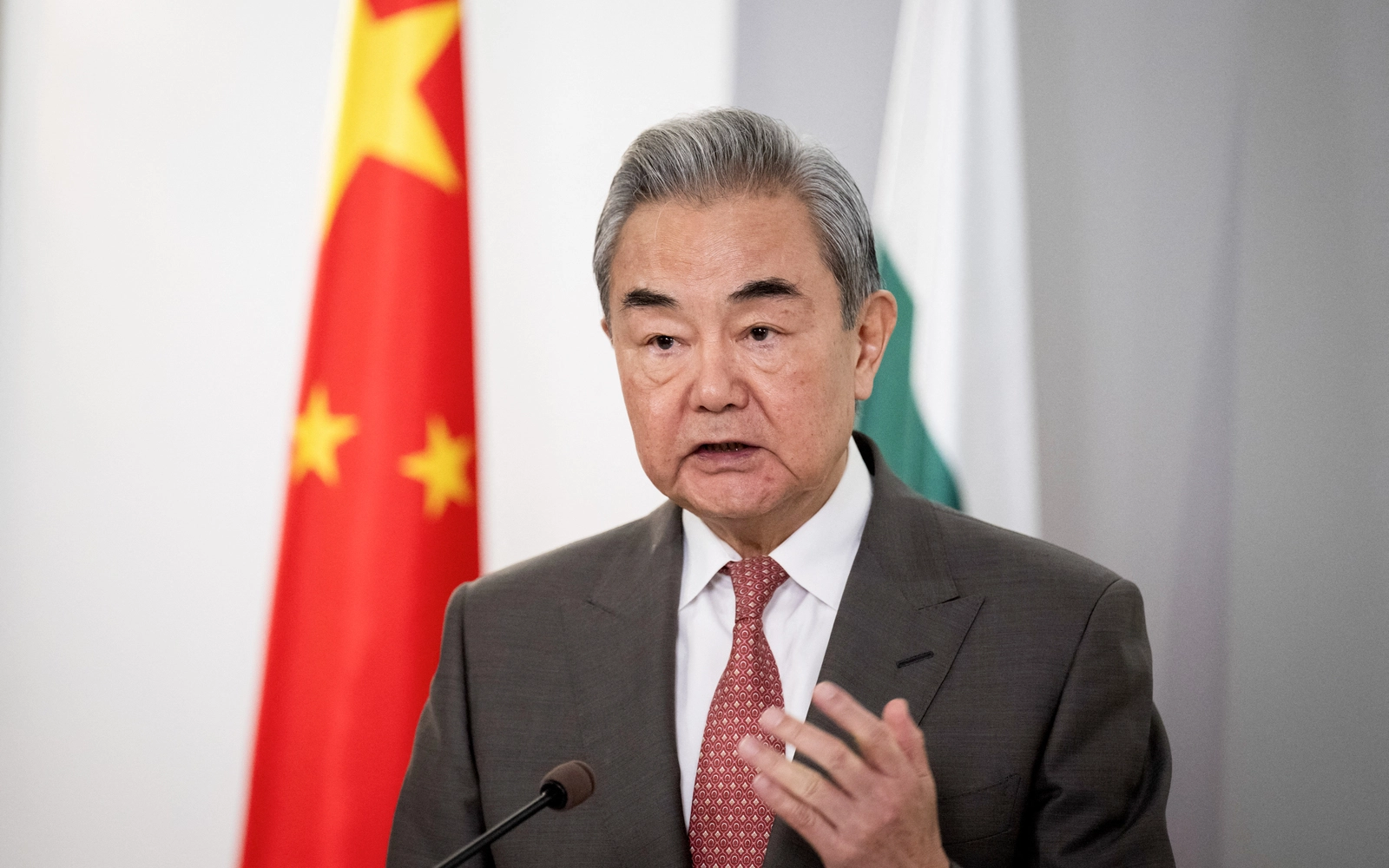
China's Foreign Minister Wang Yi has pressed for dialogue-based solutions to ongoing Middle East tensions, emphasizing the need to safeguard regional stability and global economic interests. The calls came during diplomatic engagements with key regional players Iran, Saudi Arabia, and Oman, underscoring Beijing's concerns about the geopolitical situation.
Wang Yi highlighted the importance of protecting shipping lanes and energy security in the region, matters of significant concern to China given its heavy reliance on Middle Eastern oil and its substantial trade flows through the area. The diplomatic push reflects China's broader strategy to maintain stable relations with multiple regional powers while safeguarding its economic interests.
The meetings underscore Beijing's active engagement in Middle East diplomacy, positioning China as a mediator among nations with competing interests. China has previously brokered agreements between regional rivals and continues to expand its diplomatic footprint across the Middle East through various initiatives and partnerships.
The emphasis on dialogue comes amid broader regional tensions that have raised concerns about potential disruptions to global trade and energy markets. Malaysia, as a trading nation with significant interests in regional stability and maritime security, has a stake in peaceful resolution of Middle East conflicts.