Business · Malaysia Bureau
China welcomes US trade truce extension, signals willingness to resume negotiations
Beijing says the prolonged pause in trade hostilities between China and the United States provides an opportunity to advance substantive discussions on tariffs, investment, and market access. Both nations are expected to convene a newly established trade council to address these key economic issues.
LSN Malaysia ·
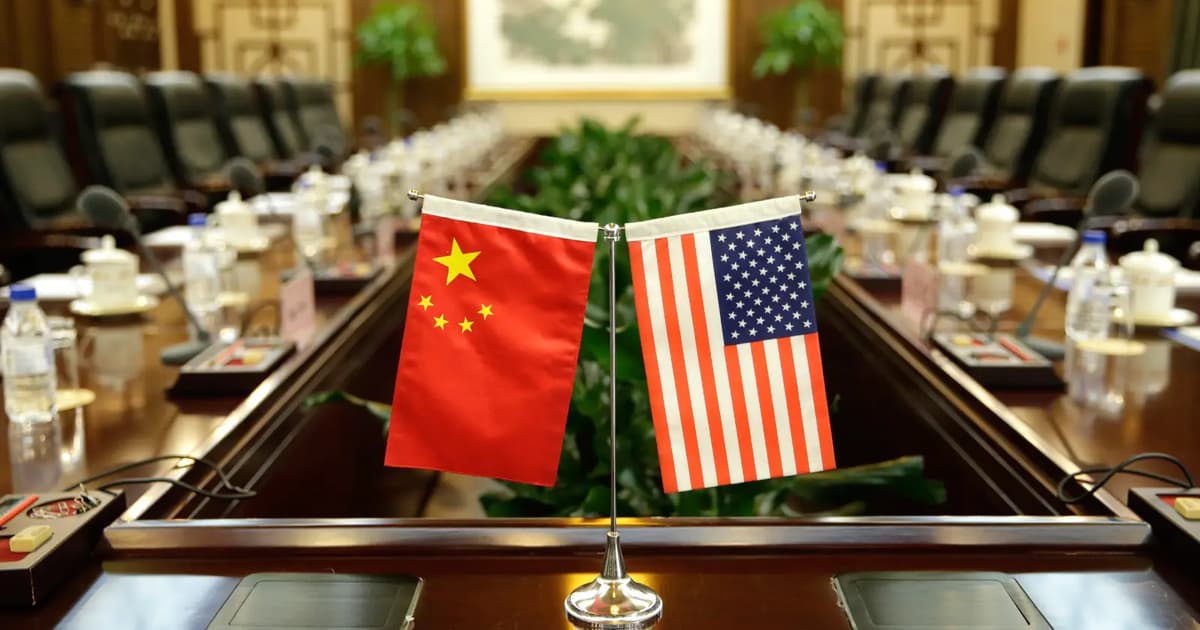
China's commerce ministry has expressed optimism following an extension of the trade truce with the United States, describing the development as creating adequate space for both countries to pursue meaningful dialogue on bilateral economic matters.
Under the terms of the extended arrangement, negotiators from both sides are expected to engage in comprehensive discussions covering tariff reductions, investment opportunities, and existing trade barriers. The establishment of a dedicated trade council signals renewed commitment from both Beijing and Washington to address longstanding commercial disputes through structured dialogue.
The move comes amid broader efforts to de-escalate trade tensions that have persisted between the world's two largest economies over the past several years. Chinese officials have indicated that the current window provides a valuable opportunity to explore mutually beneficial solutions rather than pursue further punitive measures.
The scope of anticipated talks is expected to be broad, encompassing not only tariff structures but also broader issues affecting market access and investment flows between the two nations. Observers note that the extension of the truce, rather than allowing it to lapse, represents a positive signal regarding both sides' willingness to engage constructively.
The timing of these discussions could carry significant implications for regional trade patterns and economic stability across Asia-Pacific markets, particularly given the interconnected nature of global supply chains involving both Chinese and American enterprises.