Politics · Vietnam Bureau
Chinese academic underscores parliamentary diplomacy's role in bilateral ties
A prominent Chinese scholar has highlighted the significance of legislative exchanges in strengthening Vietnam-China relations, emphasizing their contribution to deepening political trust and broadening cooperation frameworks.
LSN Vietnam ·
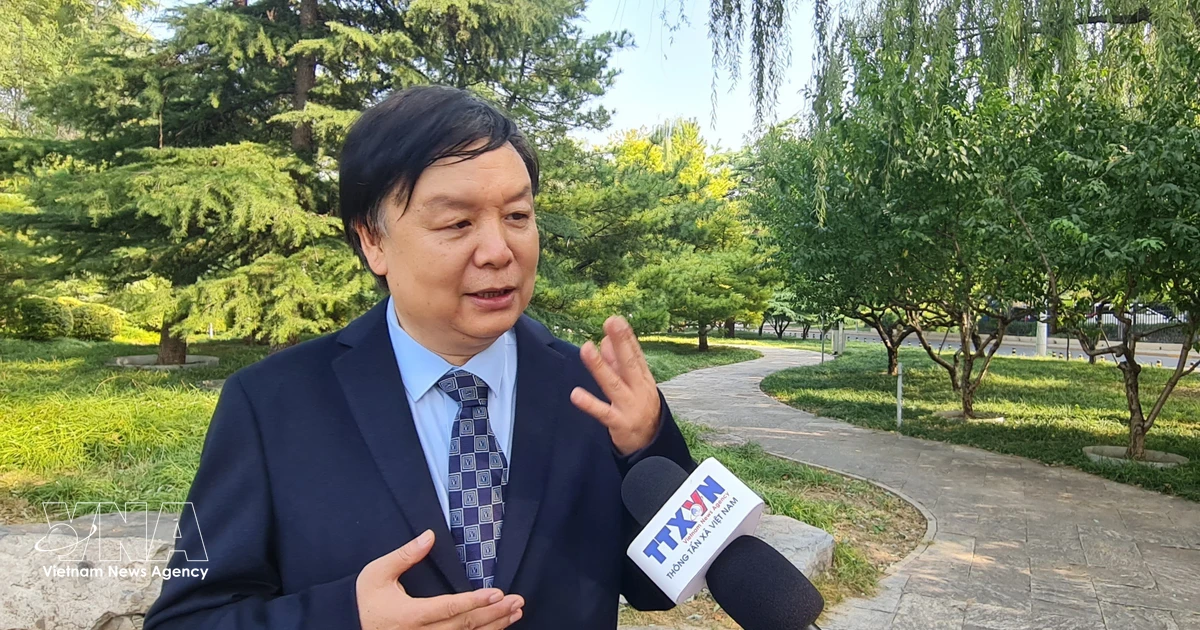
Parliamentary diplomacy serves as a critical pillar in the Vietnam-China Comprehensive Strategic Cooperative Partnership, according to recent comments from a leading Chinese academic. Professor Mi Liang emphasized that legislative ties provide essential legal underpinnings for bilateral cooperation, helping to formalize agreements and establish durable institutional frameworks between the two nations.
The scholar pointed to the multifaceted benefits of parliamentary engagement, noting that regular exchanges between legislative bodies reinforce political confidence at the highest levels of governance. Such diplomatic channels facilitate dialogue on matters of mutual concern and create mechanisms for resolving differences through structured institutional processes.
Beyond formal policy considerations, parliamentary cooperation extends its influence to grassroots levels, strengthening the social foundations necessary for sustained bilateral relations. Legislative delegations and exchange programs contribute to people-to-people understanding, fostering goodwill that complements official government-to-government interactions.
The emphasis on parliamentary ties reflects broader recognition among policymakers in both countries that diversified engagement mechanisms—spanning legislative, executive, and civil society channels—are essential to maintaining stable and productive relations in the face of regional complexities.