Technology · World News Bureau
Chinese exoskeleton technology transitions from industrial use to consumer markets
Chinese manufacturers are increasingly commercializing exoskeleton robots for everyday consumers, moving the technology beyond specialized industrial applications. The shift reflects growing investment in wearable robotics and expanding market opportunities across Asia.
LSN World News ·
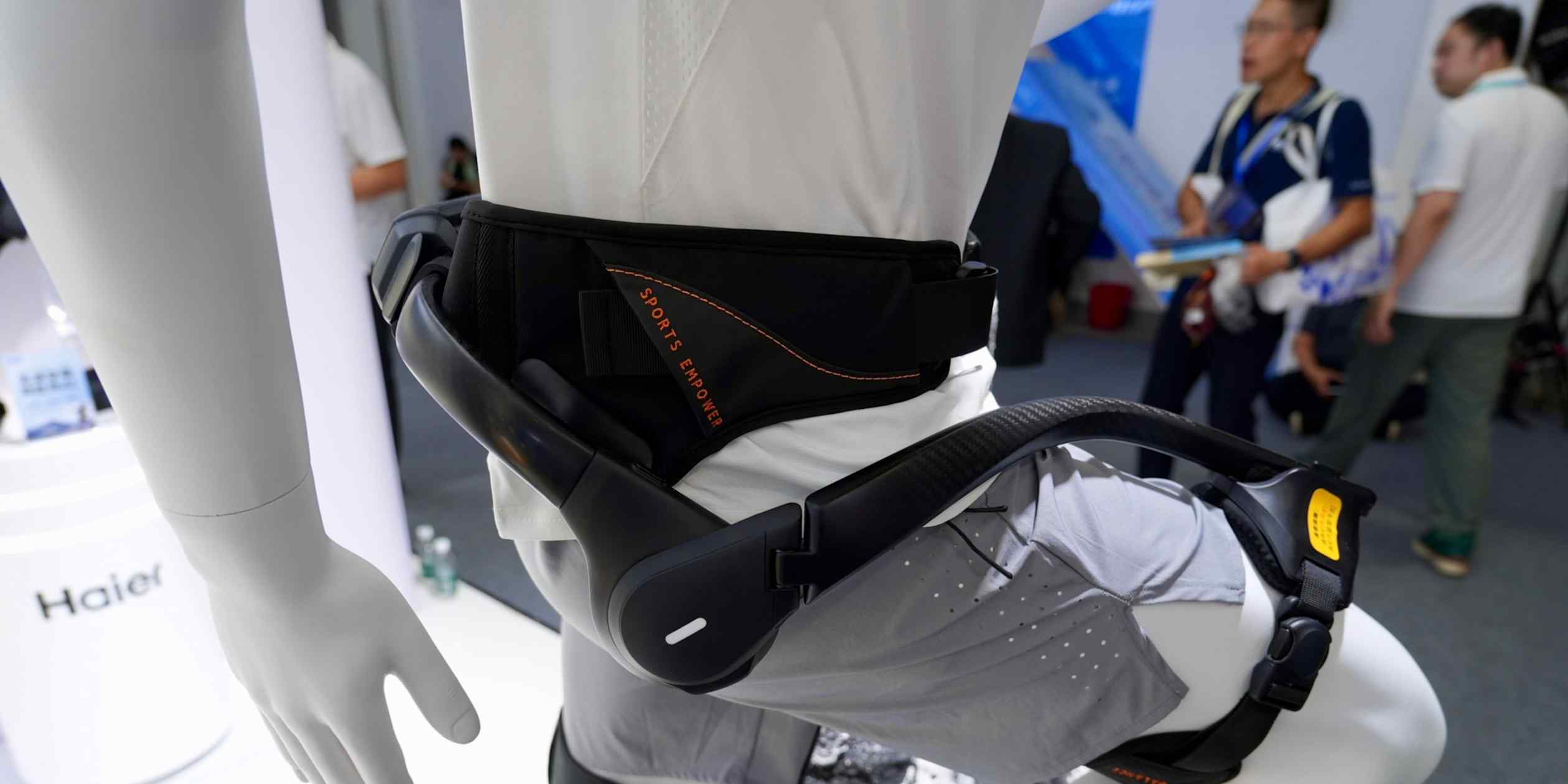
China's exoskeleton industry is experiencing a significant pivot toward consumer-oriented products, with manufacturers scaling up production and reducing costs to reach broader markets beyond factory floors and healthcare facilities. Companies are developing lighter, more affordable models designed for elderly care, rehabilitation, and physical labor assistance in non-industrial settings.
The transition comes as Chinese firms gain technological expertise and achieve economies of scale in exoskeleton manufacturing. Several startups and established robotics companies have launched consumer-focused models in recent years, targeting demographics including aging populations and individuals recovering from injury or illness.
Industry observers note that regulatory frameworks in China have become more conducive to commercialization, while declining component costs have made consumer exoskeletons increasingly viable from a business perspective. The technology addresses labor shortages in care services and growing demand for assistive devices across Asia's aging societies.
International companies have taken note of the expanding Chinese market, though domestic manufacturers currently dominate consumer segments. Analysts expect competition and innovation in the sector to accelerate as more players enter the consumer exoskeleton space, potentially bringing prices down further and expanding applications beyond current use cases.