Technology · Singapore Bureau
Chinese online mockery of US AI boom exposes domestic tech vulnerabilities
While Chinese social media users deride American enthusiasm over artificial intelligence advances, their criticism inadvertently highlights structural challenges facing China's own technology sector. The jibes reveal underlying anxieties about technological competitiveness in both nations.
LSN Singapore ·
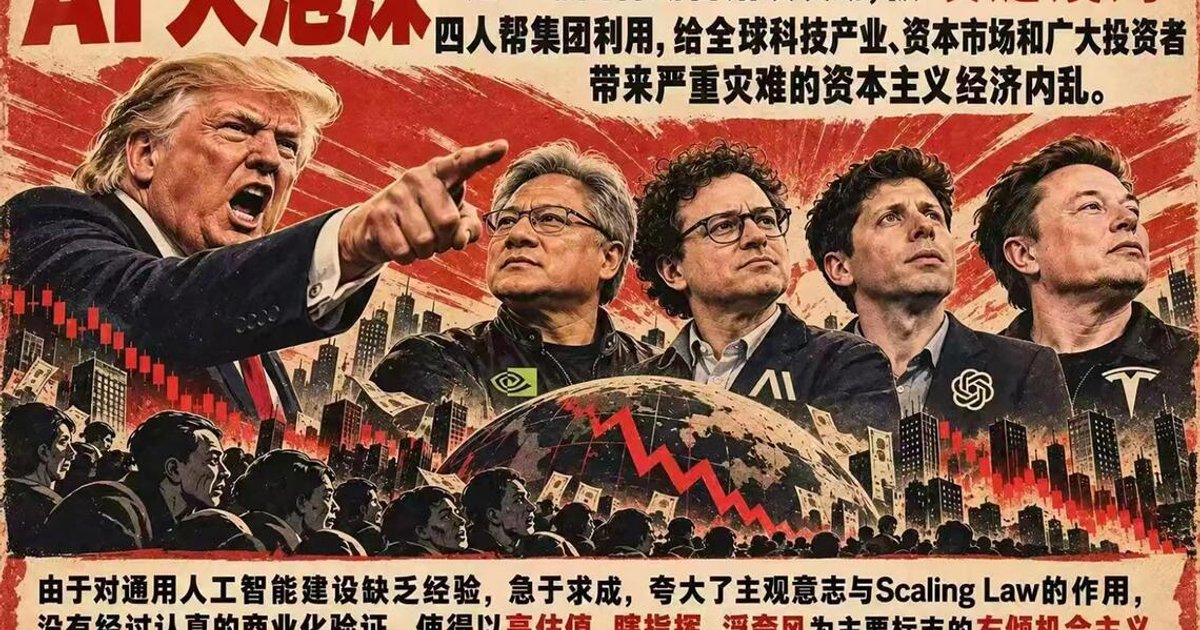
Chinese internet users have increasingly seized on perceived overconfidence in the United States regarding AI development, using satire and criticism to question the sustainability of the American tech industry's explosive growth. The social media commentary has targeted valuations, venture capital concentration, and what some characterise as speculative enthusiasm unchecked by regulatory oversight. However, these critiques simultaneously underscore concerns within China about its own technological trajectory and competitive positioning in the global AI race.
The online discourse reflects deeper structural questions facing China's technology ecosystem. While the country has invested heavily in AI research and maintains significant capabilities in certain applications, Chinese observers acknowledge domestic constraints including brain drain, reliance on foreign semiconductor technology, and regulatory uncertainties that complicate long-term innovation strategies. The mockery directed at American counterparts often contains implicit admissions of competitive pressure.
Analysts note that the mutual criticism between Chinese and American commentators indicates how intensely both nations view AI development as strategically crucial. Rather than representing confidence, the Chinese social media commentary frequently betrays concerns about falling behind, particularly in foundational models and cutting-edge research. The back-and-forth demonstrates how technological competition has become intertwined with nationalist narratives in both countries, shaping public discourse beyond purely technical considerations.
For regional observers including Singapore's technology sector, the Sino-American AI competition presents both challenges and opportunities. As both powers invest heavily and compete for technological supremacy, smaller regional economies must navigate strategic positioning while developing indigenous capabilities to avoid excessive dependency on either major power's technology infrastructure and standards.